
A generator does not have a fixed expiration date. Its useful life depends more on engine hours, load, maintenance, fuel quality, storage and corrosion than on the year printed on the nameplate.
A lightly used standby unit may age through batteries, wiring and weather exposure, while a portable generator can accumulate heavy wear in one long outage. Track runtime and service history, then judge condition with testing rather than a generic lifespan claim.
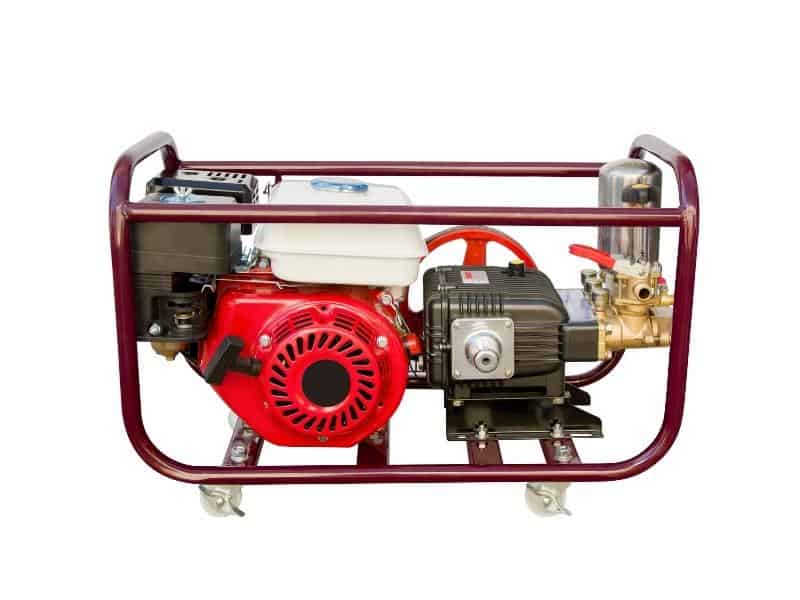
Portable and Standby Generators Age Differently
Portable generators are manually deployed and commonly use gasoline or propane. Storage fuel, carburetor deposits, extension-cord damage and irregular maintenance often cause failure before the engine is worn out.
Home standby generators exercise automatically and are permanently exposed to weather. Their common age-related items include the starting battery, charger, wiring, fuel regulator, hoses, seals, controls and enclosure as well as the engine.
Commercial and liquid-cooled units may be designed for different duty and maintenance intervals than residential air-cooled models. Do not transfer a life expectancy from one class to another.
What Shortens Generator Life?
- Overloading: Persistent overload raises engine and alternator temperature and causes voltage problems.
- Poor lubrication: Low, old or incorrect oil accelerates wear and can trigger shutdown.
- Stale or contaminated fuel: Gasoline degrades in storage, while water, debris or inadequate gas pressure affects other systems.
- Blocked cooling: Dirt, vegetation, snow or poor clearances trap heat.
- Corrosion: Salt, moisture, rodents and battery leakage attack electrical and structural parts.
- Long idle periods: A unit that is never exercised may hide a weak battery, fuel fault or control failure.
- Continuous operation without service: Long outages can reach oil and filter intervals in days.
Correct sizing matters. A generator that regularly runs near overload wears differently from one carrying a stable, balanced load, but chronic very light operation can also create problems on some engine types.
Maintenance That Protects Service Life
Follow the exact manual by calendar time and operating hours, whichever limit comes first. Typical tasks include:
- checking oil, coolant where fitted, leaks and air inlets during extended operation;
- changing oil and filters at the specified break-in and recurring intervals;
- servicing air filters, spark plugs, fuel filters and valve clearance where required;
- testing the starting battery and charger;
- inspecting cables, terminals, fuel lines, exhaust and mounting;
- keeping the enclosure and cooling paths clear; and
- running an operational or load test and recording the result.
Intervals vary by model. Generac notes that common portable-generator oil-change intervals can be 100 hours, while extreme-temperature continuous operation may require a standby oil and filter change after 100 hours. Use those figures only when they match your manual.
During a long outage, check the manual before stopping for maintenance. Shut down safely, isolate electrical load and allow hot components to cool.
When to Repair or Replace a Generator
Consider replacement when the unit can no longer carry the required load, critical parts are obsolete, the engine has low compression or high oil consumption, the alternator or controls need a major repair, corrosion compromises safety, or repeated failures make reliability uncertain.
Compare the repair with the installed cost of a replacement, including transfer equipment, fuel changes, permits and warranty. A new generator may also offer better diagnostics, load management and carbon-monoxide protection for portable models.
Do not replace a sound unit simply because it reaches an arbitrary age. A professional inspection and load test provide better evidence.
Keep a Generator Life Record
- model, serial number and installation date;
- total operating hours and outage hours;
- load-test results and fault history;
- oil, filters, plugs, coolant and battery service;
- fuel-system inspections and repairs;
- recalls, software updates and warranty work; and
- parts availability and service recommendations.
Bottom line: Hours, condition and maintenance history predict generator life better than years alone. Service it to the manual, test it under load and replace it when reliability or safety no longer justifies repair.
References: Generac portable maintenance intervals and Generac continuous-use maintenance guidance.