
Generator undervoltage is usually caused by overload, low engine speed, fuel starvation, a regulator or excitation fault, excessive voltage drop or an incorrect connection. Treat it as a system problem, not an invitation to turn the AVR screw.
Measure voltage and frequency with no load and under a known load. The way both values change separates engine-speed problems from voltage-regulation and wiring faults.
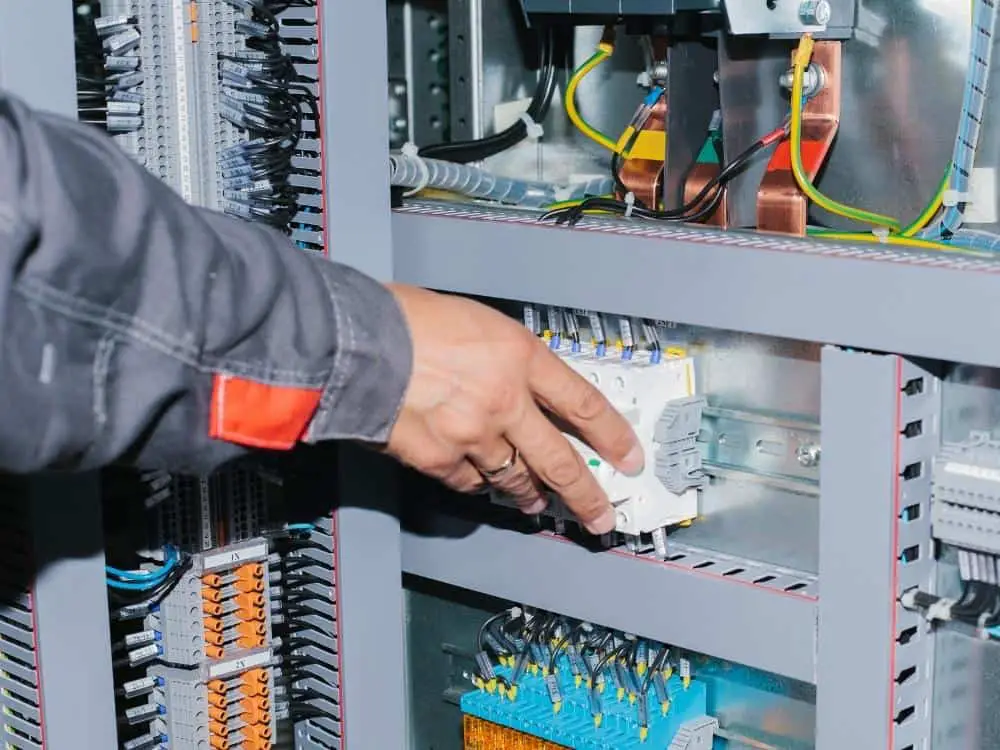
Common causes of low generator voltage
- Overload: Running demand or motor starting current exceeds capacity.
- Underspeed: Low fuel pressure, governor trouble, restricted airflow or engine faults pull frequency and voltage down.
- AVR or excitation fault: The regulator, capacitor, brushes, rotor or sensing circuit cannot maintain the field.
- Voltage drop: Long, undersized or damaged cords and conductors lose voltage under load.
- Wrong configuration: A 120/240-volt selector, winding connection, transformer tap or phase arrangement is incorrect.
- Poor connections: Loose or overheated terminals add resistance and may arc.
Use frequency to narrow the fault
If voltage and frequency are both low, inspect load, fuel delivery and engine speed first. On a conventional generator, frequency follows rotor speed.
If frequency stays within specification while voltage is low, the problem is more likely in excitation, regulation, windings, connections or voltage drop. Inverter generators require model-specific electronic diagnosis.
Safe diagnostic sequence
- Disconnect sensitive loads and inspect cords and outlets.
- Start with no load and allow the generator to stabilize.
- Measure true-RMS voltage and frequency at the generator receptacle.
- Add one known resistive load and measure again.
- Compare another outlet where the design permits it.
- Record engine sound, alarms and the load that causes the drop.
If voltage is correct at the generator but low at the appliance, inspect the cord, inlet, transfer equipment and circuit conductors.
What you can correct
- Reduce load and stagger large motor starts.
- Use the correct, undamaged conductor size and length.
- Restore fresh fuel, correct choke position and required gas pressure.
- Service the air filter and spark arrestor as specified.
- Set a voltage selector only with all loads disconnected and as the manual directs.
Do not adjust governed speed or internal voltage controls without the exact service procedure and calibrated instruments.
When to stop using the generator
Stop for burning odor, hot terminals, arcing, smoke, unstable output, voltage outside the model’s limit or a recurring underspeed alarm. Low voltage can overheat motors and damage compressors, contactors and electronics.
A technician should test the regulator, excitation components, windings, governor and fuel pressure under controlled load.
Record four measurements before service
- Voltage and frequency with no load.
- Voltage and frequency with one known, stable load.
- Readings at each receptacle, or on both 120-volt legs of a 120/240-volt output when a qualified person can test them safely.
- The load level and operating time at which voltage begins to fall.
Low voltage and low frequency together usually direct attention to engine speed, overload or fuel delivery. Low voltage with stable frequency more strongly suggests excitation, AVR, brush or connection problems. One abnormal leg can indicate a winding or connection fault rather than a whole-generator speed problem.
Use only a meter and test method rated for the outlet. Do not remove covers or probe a transfer switch or energized panel unless you are qualified and using the required protective equipment.
Sources