
A generator that keeps shutting off is usually responding to low oil, fuel starvation, overload, overheating, a carbon monoxide sensor or a recorded engine fault. The fastest diagnosis comes from noting when it stops and what warning light, alarm or breaker changes at that moment.
Do not keep resetting a shutdown without checking the cause. A protective stop may be preventing engine damage, fire, electrical failure or carbon monoxide exposure.
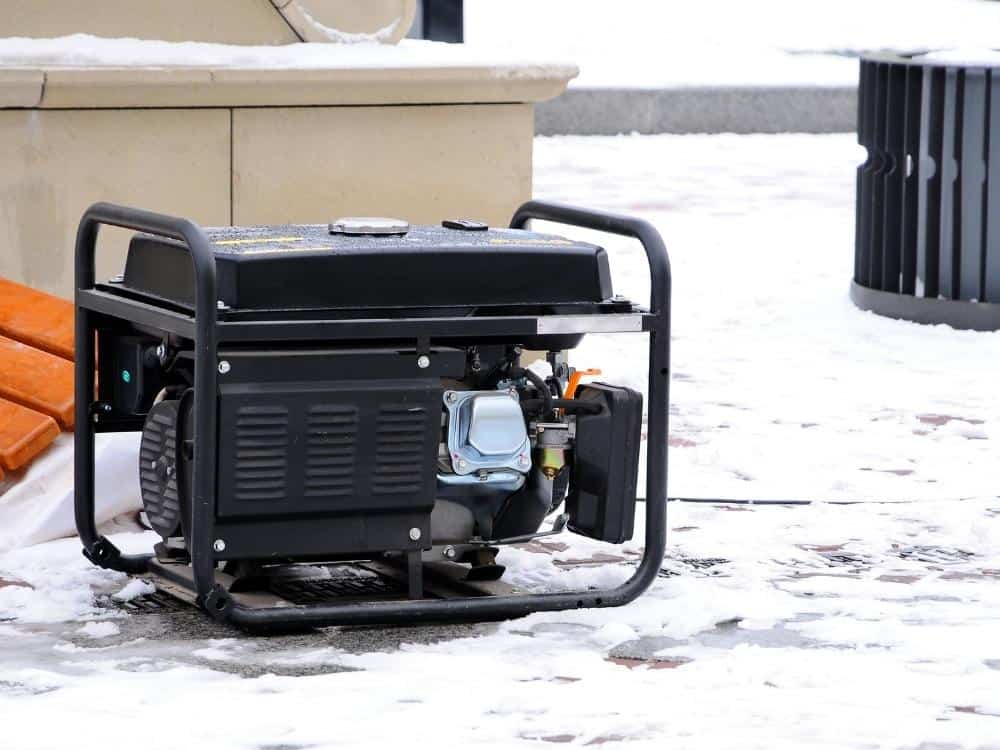
Match the shutdown to the symptom
- Stops immediately after starting: Choke position, low-oil sensor, carbon monoxide sensor, stale fuel or a closed fuel-cap vent.
- Stops when a load starts: Overload, excessive motor starting current, short circuit, low fuel pressure or underspeed.
- Stops after several minutes: Blocked tank vent, fuel restriction, overheating, dirty air filter or clogged spark arrestor.
- Stops after hours: Low oil from consumption, fuel depletion, heat buildup or a maintenance-related fault.
- Standby unit shows a code: Use the exact code and model-specific service information before resetting it.
Checks you can make safely
- Disconnect loads and move a portable unit to the required outdoor location.
- Let the generator cool and place it on a level surface.
- Check oil with the manual’s dipstick procedure. Do not overfill.
- Confirm fresh, approved fuel and an open fuel valve and tank vent.
- Inspect the air filter, spark plug, fuel line and spark-arrestor screen.
- Restart with no load, allow warmup and move the choke fully to RUN.
- Add loads individually while staying within outlet and total ratings.
Carbon monoxide shutdowns are different
If a carbon monoxide safety system stops the generator, move it to an open outdoor area far from windows, doors and vents. Do not bypass the sensor or restart it in the same unsafe location.
Operate portable generators outdoors at least 20 feet from the home with exhaust aimed away, and use working battery-backed carbon monoxide alarms inside.
Shutdowns under load
Compare total running watts and the largest starting load with the generator’s continuous and surge ratings. Also check individual outlet limits. A single receptacle can be overloaded even when total generator demand is lower than the nameplate output.
On natural-gas or propane units, verify inlet pressure and pipe capacity under full demand. A fuel system that looks adequate at idle may starve the engine when large loads start.
When to call a technician
Stop using the generator if it has a fuel or oil leak, smoke, damaged wiring, abnormal mechanical noise, recurring low-oil-pressure alarm, high-temperature shutdown, no-load trip or fault that immediately returns.
Standby-generator fault codes, valve adjustment, fuel-pressure testing and alternator or inverter faults need model-specific diagnosis. Record the code and operating conditions before calling for service.
Sources