
A generator that runs only with the choke on is usually running too lean. The choke is masking too little fuel or too much air, so it is a diagnostic clue, not a safe normal operating mode.
Start with fresh fuel, a fully open fuel valve and the model’s correct choke procedure. If the engine still dies as the choke moves to RUN, the likely causes are restricted fuel flow, a dirty carburetor jet, a blocked tank vent or an intake air leak.
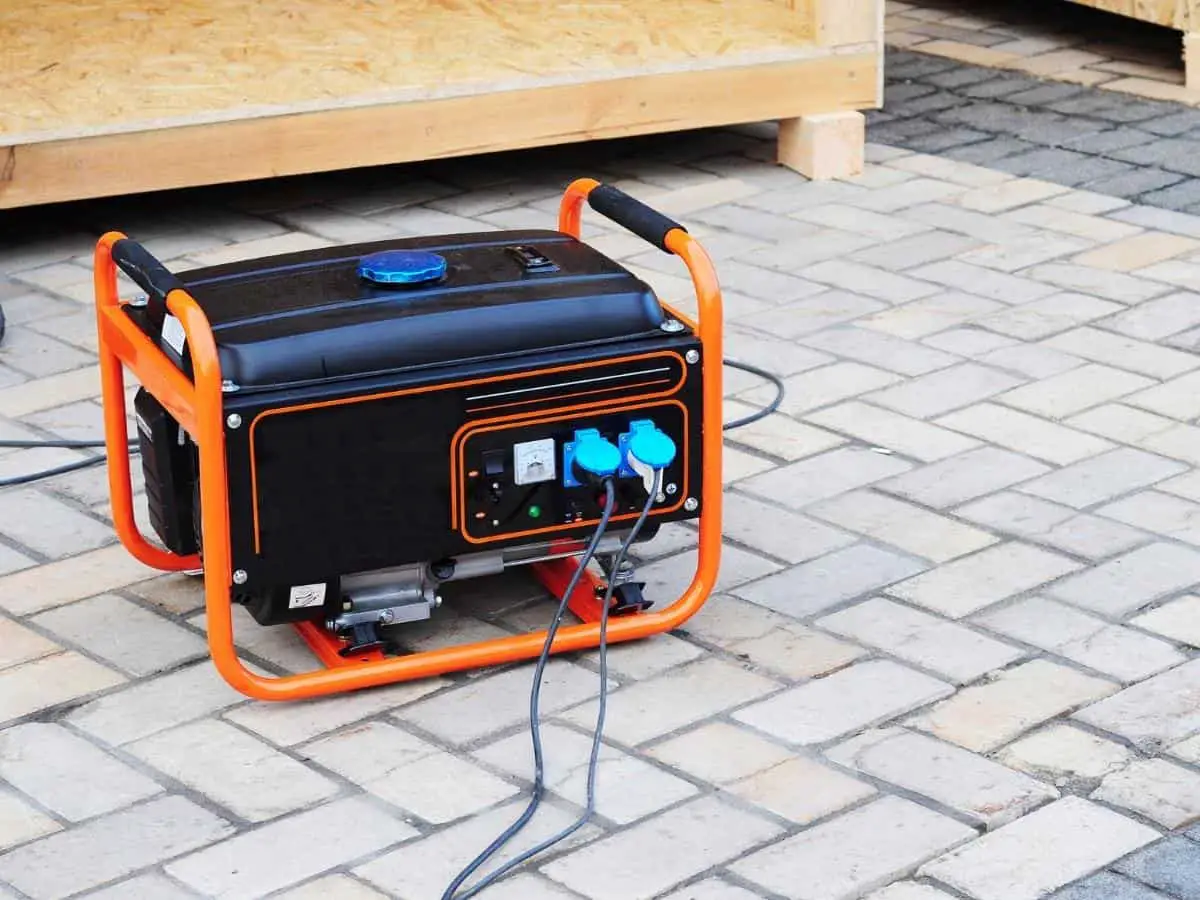
What the Choke Is Telling You
A closed choke restricts incoming air and enriches the air-fuel mixture for a cold start. Once the engine runs smoothly, the choke should move to the open or RUN position.
If opening the choke makes the engine surge, sputter or stop, normal operation is not receiving enough fuel for the available air. Partially closing the choke restores a combustible mixture, but it does not repair the restriction or leak.
In very cold conditions, an engine may need the choke for a little longer than usual. That is different from a warm engine that cannot run with the choke open.
Check These Causes in Order
- Remove all electrical loads. Shut the generator down and let it cool before inspection.
- Check the fuel. Drain stale or contaminated gasoline as the manual directs and refill with the specified fresh fuel. Do not use E85 unless the model explicitly permits it.
- Open the fuel valve fully. A partly closed valve restricts flow and does not save fuel.
- Check the fuel-cap vent. A blocked vent can create vacuum in the tank and reduce flow. Use only the manufacturer’s test procedure.
- Inspect the fuel line and filter. Look for kinks, damage, debris or a clogged filter. Replace parts with approved equivalents.
- Check the choke linkage. Confirm the plate moves fully between START and RUN and is not sticking.
- Inspect for intake leaks. Loose carburetor fasteners, damaged gaskets or cracked intake parts can admit unmetered air.
- Service the carburetor. Old fuel can leave deposits in the bowl and jets. Clean or replace it according to the engine manual.
A dirty spark plug, restricted air filter, clogged spark arrestor, low oil shutdown, overload or incorrect valve clearance can also cause rough running. They are less specific to the only-runs-on-choke symptom but should be checked if fuel-system work does not resolve it.
Do Not Keep Running With the Choke On
Generac advises against operating a warmed engine in the START or choke position. The rich mixture can increase fuel consumption, foul the spark plug, dilute engine oil, produce heavy exhaust deposits and reduce available power.
It can also make diagnosis harder. A generator that barely runs under full choke may stop or produce unstable output when a load is applied. Disconnect loads and repair the engine before relying on it for appliances or backup power.
Carburetor Cleaning and Service Limits
Use the engine manufacturer’s carburetor-cleaning procedure. Work outdoors with the engine off and cool, close the fuel valve and control spills. Do not spray flammable cleaner toward a hot engine or ignition source.
External cleaner in the intake rarely removes hardened deposits from a restricted main jet. Proper service may require draining the bowl, removing the carburetor and cleaning its passages. Do not enlarge a calibrated jet with drill bits or hard wire.
Use an authorized service dealer when the carburetor has tamper-resistant adjustments, the fuel system leaks, the engine backfires, the generator has electronic fuel injection or you are not equipped to verify safe operation and electrical output after repair.
Dual-Fuel and Tri-Fuel Generators
For propane or natural gas operation, check the selector position, hose, regulator, cylinder valve and required supply pressure. A cold or undersized propane cylinder can lose vaporization capacity under load. Natural-gas pipe sizing and pressure must match the generator manual.
Do not use gasoline carburetor adjustments to compensate for a gas-supply problem. Switch fuels only by the manufacturer’s procedure and never modify a regulator or fuel orifice without approved parts and instructions.
Prevent the Problem Returning
- Use the fuel type and ethanol limit stated in the manual.
- Add stabilizer only as directed and rotate stored fuel.
- For long storage, drain the fuel or run the carburetor dry when the manufacturer recommends it.
- Keep the air filter, spark plug and spark arrestor on schedule.
- Exercise the generator under the manual’s recommended load and interval.
- Store it dry and inspect for fuel leaks before every run.
Common Choke Questions
Should the choke be open or closed while running?
It should normally be fully open or in RUN after the engine starts and warms briefly. Follow the model-specific sequence in the owner’s manual.
Can stale gas cause this symptom?
Yes. Volatile components evaporate during storage and deposits can restrict the carburetor’s small passages. Replace stale fuel and clean the carburetor as the manual directs.
Sources: Generac choke operation and troubleshooting; Generac portable-generator troubleshooting; Briggs & Stratton carburetor-cleaning guidance.