
A popping generator is usually misfiring in the intake or igniting unburned fuel in the exhaust. The timing of the noise matters: popping under load points to a different problem from one bang after shutdown.
Stop the generator if the noise is new, repeated or accompanied by smoke, fuel odor, power loss, overheating or visible flame. Do not keep loading the engine while trying to “clear it out.”
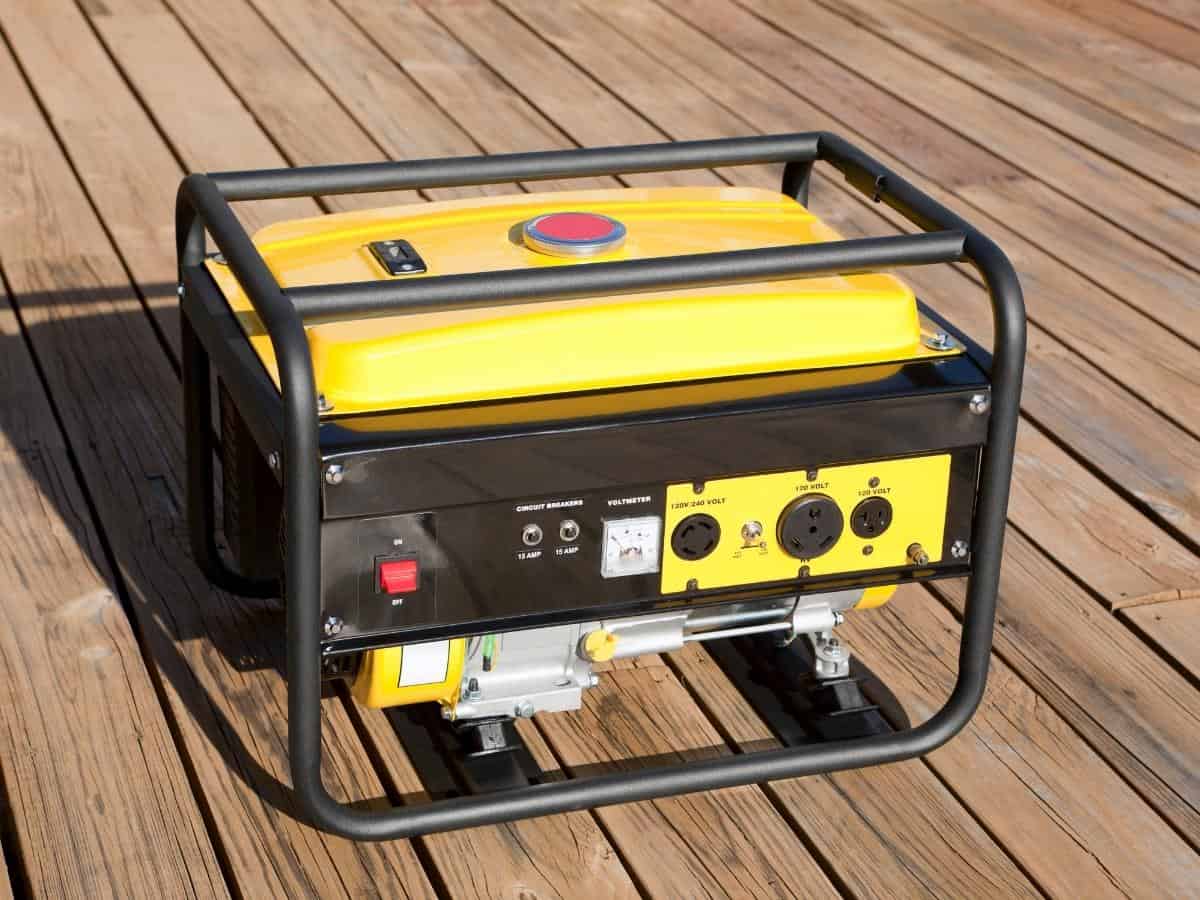
Backfire, afterfire or engine knock?
- Backfire: Combustion travels back through the intake, often producing a pop near the carburetor or air box.
- Afterfire: Unburned fuel ignites in the exhaust during deceleration or just after shutdown.
- Knock: A metallic tapping or hammering follows engine speed and may indicate lubrication, bearing or combustion trouble.
- Electrical arcing: A sharp snap near outlets, wiring or the alternator is an electrical hazard, not normal engine noise.
If you cannot identify where the sound originates, shut the unit down and have it inspected.
Common causes of popping while running
- Stale or contaminated gasoline
- A partially blocked carburetor jet or incorrect fuel mixture
- A dirty air filter or restricted spark arrestor
- A fouled, damaged or incorrectly gapped spark plug
- The choke left partly closed after warmup
- A sudden overload that makes the engine stumble
- Valve-clearance, ignition or compression problems
For dual-fuel and gaseous generators, low fuel pressure, an undersized regulator or a restricted hose can also create a lean condition under load.
Why it pops during shutdown
Small engines can afterfire when they are switched off at high speed or immediately after carrying a heavy load. Briggs & Stratton lists rapid deceleration, mixture problems, high engine temperature, muffler design and a faulty anti-afterfire solenoid among possible causes.
Use the generator’s shutdown procedure. Many manuals instruct users to disconnect loads and let the engine run with no load briefly before stopping it. Do not invent a throttle or fuel-valve sequence that conflicts with the manual.
Safe troubleshooting order
- Disconnect all loads and allow the generator to cool.
- Check the oil level and look for fuel or oil leaks.
- Replace stale fuel with the type and ethanol limit specified by the manufacturer.
- Inspect the air filter, spark plug and spark-arrestor screen.
- Start with no load, move the choke fully to RUN after warmup and listen.
- Add known-good loads one at a time.
If popping returns only with a specific appliance, cord or high starting load, investigate that load. If it happens with no load, the engine or fuel system needs attention.
When to stop troubleshooting
Use a service technician for persistent backfire, metallic knock, low compression, damaged valves, ignition-timing problems, carburetor adjustment, gaseous-fuel pressure checks or any electrical arcing.
Do not run the generator with the air filter removed, defeat a carbon monoxide shutdown system or adjust governed engine speed by ear.
Sources