
A 20kW standby generator can run many homes, but the house size does not answer the question. What matters is the maximum load expected at one time, including motor starting current, electric heat, water heating, cooking, air conditioning and EV charging.
Also check the fuel rating. A unit marketed as 20kW may deliver 20kW on liquid propane but less on natural gas, depending on the model. Size the generator, transfer equipment, fuel supply and load-management plan as one system.
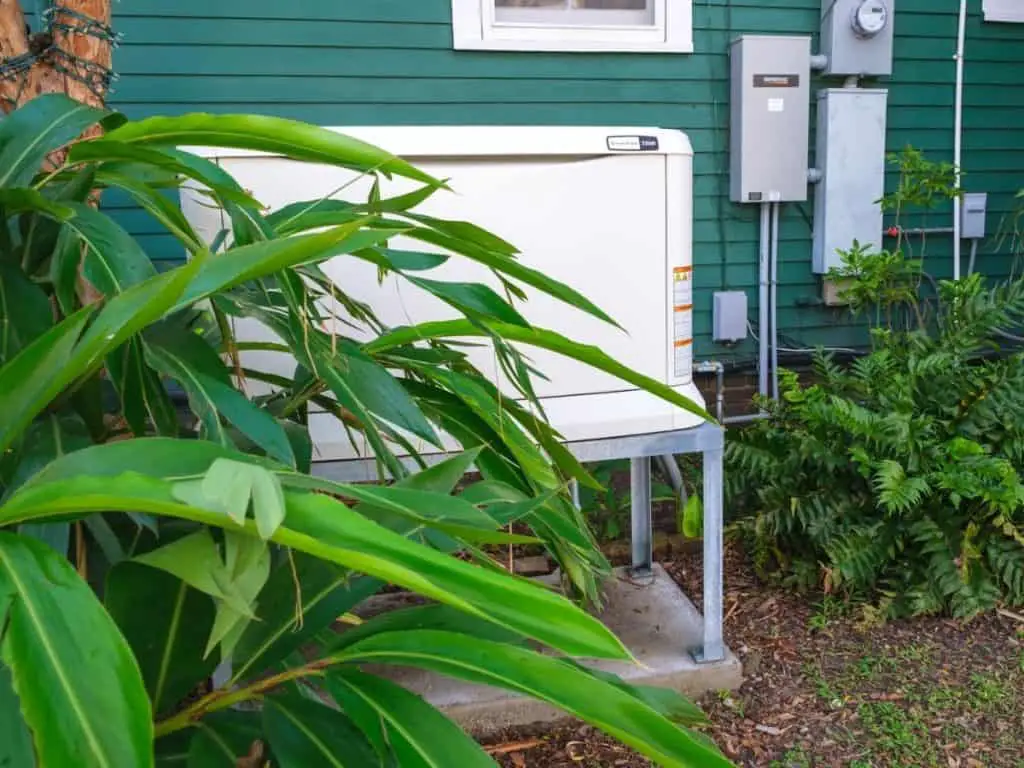
What can a 20kW generator supply?
At 240 volts, 20,000 watts equals about 83 amps of continuous output. If the same model is rated at 18,000 watts on natural gas, output is about 75 amps. Use the actual data plate and specification sheet, not the marketing name.
A 20kW system can often support lighting, refrigeration, electronics, a gas-furnace blower, pumps and selected kitchen loads. Whether it can also run central air conditioning, electric water heating, a range, a clothes dryer or an EV charger depends on their combined demand and starting characteristics.
How to size the load correctly
- List the circuits that must run. Separate essentials from loads that can wait.
- Record running watts or amps. Use equipment nameplates and manufacturer data.
- Add the largest starting load. Compressors and pumps can need substantial current for a few seconds.
- Account for fuel derating. Natural-gas output may be lower than propane output.
- Include site conditions. Elevation, ambient temperature and long fuel runs can affect the design.
- Check phase and voltage. Most homes need single-phase 120/240-volt equipment, not a three-phase commercial model.
Do not size from the main-breaker rating alone. A 200-amp service does not mean the house continuously uses 200 amps.
Load management can make 20kW work
A load-management controller can delay or shed lower-priority loads when demand approaches generator capacity. Common managed loads include air conditioners, electric water heaters, pool equipment, dryers and EV chargers.
Load management does not create more power. It prevents selected equipment from running at the same time so essential loads remain within the generator’s rating.
Fuel supply is part of generator sizing
The gas meter, regulator, propane tank and pipe must supply the generator at full load while also serving other appliances. Undersized fuel piping can cause hard starting, low power and shutdowns even when the electrical load is within rating.
For one current Generac 20kW specification, full-load natural-gas consumption is roughly 287 to 307 cubic feet per hour depending on the model, while full-load propane use is about 3.6 gallons per hour. Treat these as model examples, not universal values.
When 20kW is not enough
- All-electric heating or multiple heat pumps must run together
- Large central air conditioners have high starting current
- Well pumps, pool pumps or lifts add substantial motor loads
- Electric cooking, water heating and clothes drying are expected simultaneously
- EV charging must continue at a high rate during an outage
- The home has unusual 120/240-volt load imbalance
In those cases, choose a larger generator, back up selected circuits or manage the nonessential loads.
Decision checklist
- Confirmed running and starting loads
- Verified propane and natural-gas ratings
- Correct automatic transfer switch and load controls
- Gas meter, regulator, tank and pipe sized for full demand
- Approved location, clearances, permits and inspection
- Maintenance and extended-outage plan
A licensed installer should complete the load calculation and fuel assessment before equipment is ordered.
Sources