
A generator can run only as long as its fuel supply, load, cooling, lubrication and maintenance schedule allow. There is no universal 8-hour, 24-hour or 72-hour limit that applies to every portable, inverter, diesel or standby model.
Use the exact owner’s manual as the operating limit. Portable generators normally need shutdowns for safe refueling and oil checks, while some standby units can run through long outages if they receive scheduled inspections and maintenance.
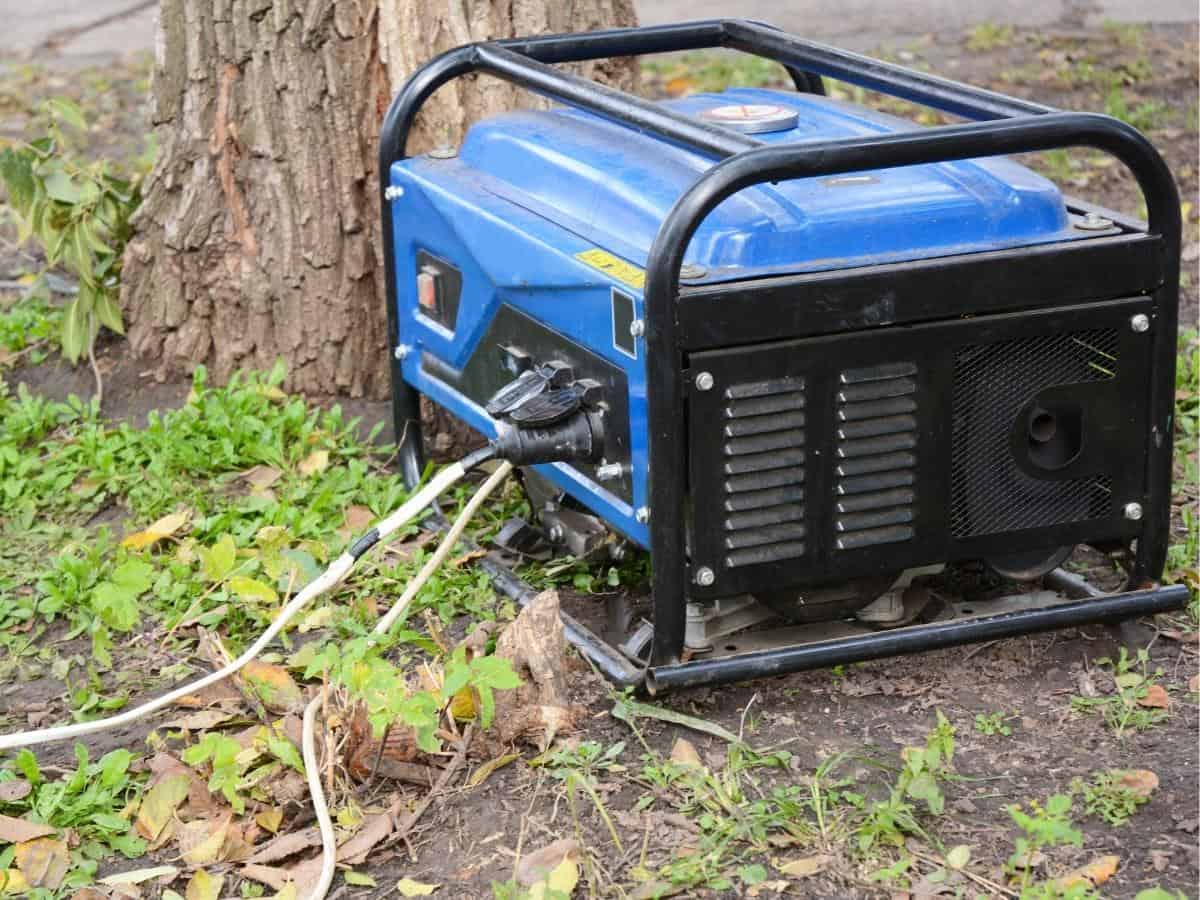
Tank Runtime Is Not a Continuous-Duty Rating
A specification such as “8 hours at 25% load” describes estimated fuel-tank runtime under a test condition. It does not promise that the generator can run indefinitely through repeated refills or that it will achieve the same hours at a higher load.
Load has a large effect. Honda lists the EU2200i at about 8.1 hours per tank at one-quarter load and 3.2 hours at rated load. Other models have different engines, tank sizes and efficiency curves.
Ambient heat, altitude, fuel quality, eco mode, battery charging and cycling motor loads can also change runtime. Treat the published number as a planning benchmark.
Portable Generator Run-Time Rules
- Check oil, fuel, air intake and the work area before starting.
- Keep the load below the continuous rating and allow for starting surges.
- Follow the manual’s oil-check and maintenance intervals, including the first break-in service.
- Shut down and remove load before inspection or refueling.
- Let the engine cool before adding fuel. Never refuel a running or hot generator.
- Stop immediately for low-oil warnings, leaks, unstable speed, overheating, abnormal noise or damaged cords.
Do not modify the tank, attach an improvised gravity-feed container or defeat low-oil or carbon-monoxide shutdown devices to extend runtime. An approved extended-run system must be specifically allowed by the generator manufacturer.
How Long Can a Standby Generator Run?
A permanently installed standby generator connected to natural gas or a large propane tank can run much longer than a portable unit. Fuel availability is only one constraint. Oil level, filters, engine temperature, maintenance hours and the manufacturer’s continuous-use procedure still apply.
For current Generac air-cooled standby models, the company advises a shutdown after every 24 hours of consecutive outage operation so the owner can let the unit cool, inspect it and perform required maintenance or add oil. That is a model-family procedure, not a universal rule for every brand.
Generac also identifies service points during extended operation, including break-in work and shorter oil-change intervals in extreme temperatures. Follow the manual for the model and have the correct oil, filters and service plan ready before storm season.
What Actually Limits Continuous Operation?
| Limit | What to check |
|---|---|
| Fuel | Tank runtime, delivery reliability and safe shutdown for refueling |
| Oil | Level, consumption, break-in service and change interval |
| Cooling | Airflow, debris, ambient temperature and required clearance |
| Load | Continuous watts, starting surges, phase balance and duty cycle |
| Maintenance | Filters, spark plug, valve service and hour-based inspections |
| Environment | Rain, flooding, snow, exhaust path and carbon-monoxide risk |
Fuel type alone does not determine safe runtime. Diesel engines are common in long-duty applications, but a small diesel portable still has model-specific limits. Natural gas removes tank refueling but does not remove maintenance or outage-related supply risk.
Can You Run a Generator Overnight?
Only if the manufacturer permits the operating pattern and the generator can remain safely monitored, fueled and protected from weather. A portable generator must stay outdoors at least 20 feet from the home, with exhaust pointed away from buildings, doors, windows and vents.
Install working carbon-monoxide alarms on every level and outside sleeping areas. Never operate a portable generator in a house, garage, basement, shed, crawlspace or porch, even with doors open.
Secure the unit without obstructing cooling or exhaust, keep it dry without enclosing it and plan for the time it will need fuel or oil. If those conditions cannot be maintained while people sleep, shut it down.
Common Generator Runtime Questions
Should I run a generator at full load?
Do not exceed the continuous rating. Sustained operation near the limit increases fuel use and leaves little capacity for motor starting. Use load management to create headroom.
Can I refuel without turning it off?
No. Shut the generator down and allow it to cool. Fuel spilled on a hot engine or exhaust can ignite.
How often should I check the oil?
Use the manual’s interval and check more often during extended or severe operation. Some engines consume oil without showing an external leak.
Sources: Generac long-outage shutdown guidance; Generac continuous-use maintenance guidance; Honda EU2200i runtime specifications; CPSC carbon-monoxide safety guidance.