
Wind turbines can leak oil, but a visible release is a maintenance failure, not a normal part of generating wind power.
Geared turbines carry the largest oil inventory in the main gearbox. Seals, hoses, filters, fittings and cooling circuits are the most practical places to look for a loss.
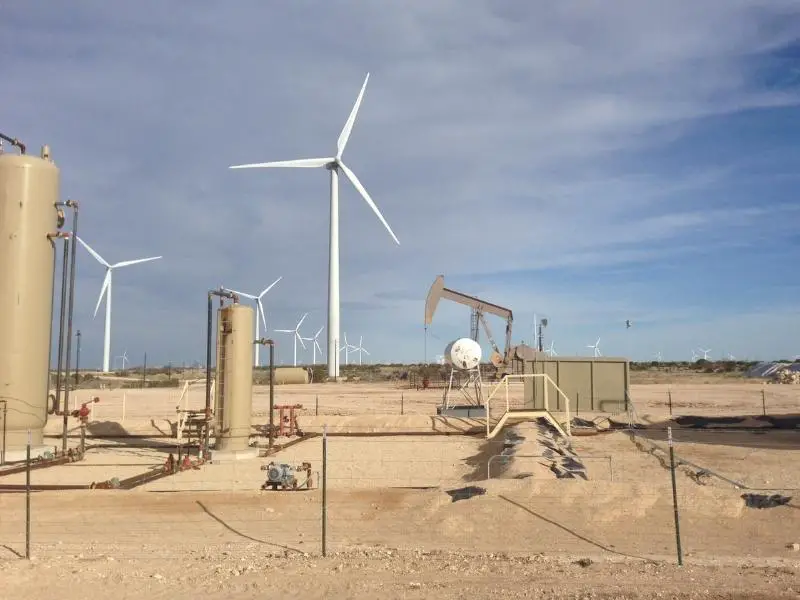
Where wind-turbine oil leaks occur
A geared drivetrain circulates synthetic gear oil through gears, bearings, filters and a cooler. Leaks may develop at shaft seals, hose connections, pumps, filter housings, heat exchangers, drain points or damaged pipework.
Separate systems may contain hydraulic fluid or grease for blade pitch, yaw, brakes and bearings. Direct-drive turbines remove the main gearbox, but they still have lubricated and sometimes hydraulic components.
The quantity is model-specific. One Department of Energy project spill plan listed 140 gallons in the main gearbox of its selected turbine plus separate lubricant and hydraulic systems. That figure should not be applied to every turbine.
How operators detect a leak
- Oil-level, pressure and temperature alarms.
- Filter differential-pressure and pump monitoring.
- Oil-debris and condition sensors.
- Nacelle inspections, service records and remote operating data.
- Visual checks of the tower, foundation and surrounding ground.
A falling level or oil-pressure alarm requires a controlled shutdown before bearings and gears lose lubrication. NREL documented severe gearbox damage after oil-loss events in a research turbine, showing why early detection matters.
Containment and spill response
Modern projects may use sumps, drip trays, guide plates and sealed nacelle surfaces to keep leaked fluid inside the turbine. Maintenance crews also carry absorbents and follow site spill-response procedures.
A response should identify the fluid, stop the source if safe, protect drains and water, recover contaminated material and document the release. Reporting duties depend on quantity, location and applicable environmental rules.
Members of the public should not approach a turbine or touch leaked material. Report suspected oil on a tower or surrounding land to the owner or site operator. Use emergency or environmental authorities if the release threatens water, roads or public safety.
Preventing repeat leaks
Operators should inspect seals and hoses, maintain correct oil temperature and pressure, control vibration, use the specified lubricant and analyse samples for wear, moisture and degradation.
Replacing a seal without correcting shaft wear, misalignment, blocked ventilation or excessive pressure can lead to another failure. The root cause matters as much as cleaning the spill.
How the impact should be assessed
A leak can contaminate soil or water and create a slip or fire hazard. The consequence depends on fluid type, volume, containment and how quickly the operator responds.
It is also important to compare like with like. Wind turbines use lubricants during operation, while fossil-fuel systems extract, transport and burn much larger volumes of fuel. That broader comparison does not excuse poor spill control at a wind site.
Bottom line: wind turbines can leak oil from several mechanical systems. Monitoring, secondary containment and disciplined maintenance keep a component fault from becoming equipment damage or environmental harm.
Sources: U.S. Department of Energy project oil-spill plan, NREL gearbox condition research and NREL oil filtration and condition monitoring.