
Biogas is valuable because it turns methane from organic waste into usable energy, but raw biogas is neither free nor ready for every appliance.
Its strongest case is at sites with a steady waste stream, a practical use for heat or power, and the staff and equipment to control gas quality and methane leaks.
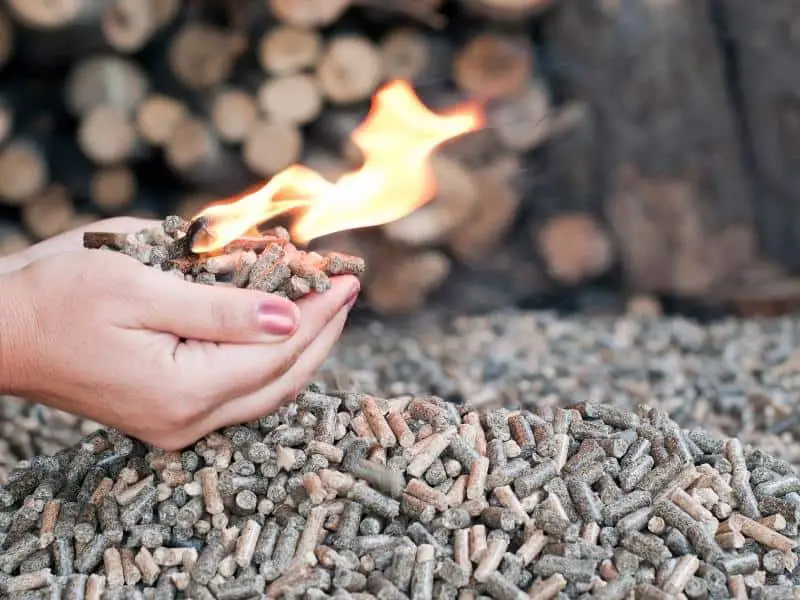
Why biogas can be an excellent fuel
Biogas is produced when microorganisms break down manure, food waste, wastewater solids and other organic material without oxygen. A sealed anaerobic digester captures the gas and produces a residual material called digestate.
According to the U.S. Environmental Protection Agency, digester biogas typically contains about 50 to 75 percent methane. The rest is mainly carbon dioxide, with water vapour, hydrogen sulfide and trace contaminants.
The methane provides the energy. Capturing and using it can displace purchased fuel or electricity while reducing methane emissions that would otherwise escape from some waste-management systems.
What biogas can power
- Heat: A suitable boiler or burner can use treated biogas for hot water, space heating or industrial processes.
- Combined heat and power: An engine, microturbine or fuel cell can generate electricity while recovered heat serves the site.
- Renewable natural gas: Upgrading removes carbon dioxide, moisture and contaminants to produce a higher-methane gas for pipelines or vehicles.
- Cooling: Recovered heat can drive absorption cooling in some commercial applications.
Using biogas close to where it is produced often avoids the cost of upgrading it to pipeline quality. The best outlet depends on gas volume, demand, utility rates and local interconnection or fuel standards.
Raw biogas needs treatment and controls
Raw biogas is not interchangeable with pipeline natural gas. Hydrogen sulfide is toxic and corrosive, moisture can damage equipment, and siloxanes from some waste streams can form abrasive deposits during combustion.
Gas conditioning may include moisture removal, hydrogen sulfide treatment, filtration and compression. Renewable natural gas needs more extensive upgrading. EPA says raw biogas may contain 45 to 65 percent methane depending on feedstock, while upgraded RNG is typically at least 90 percent methane and pipeline specifications are often higher.
Biogas is flammable, can displace oxygen and may contain toxic gases. Digesters, piping, pressure relief, flare systems and electrical equipment require professional design, gas detection and operating procedures.
The environmental benefit is project-specific
Biogas is renewable, but calling it automatically clean or carbon neutral is too simple. Climate performance depends on the original waste-management method, methane capture rate, leakage, energy used for treatment and the fuel or electricity displaced.
Well-run projects can reduce odours, improve waste handling and recover nutrients. Properly treated digestate may be used as fertilizer, soil amendment, compost feedstock or animal bedding. Its use must still follow nutrient-management and contamination requirements.
Methane leakage can erode the climate benefit quickly. Operators need leak detection, maintenance, reliable flaring when energy equipment is unavailable and accurate performance records.
When a biogas project makes sense
Good candidates have a predictable feedstock supply, compatible material, sufficient scale, nearby energy demand and a plan for digestate. Farms, wastewater plants, food processors and landfills are common examples.
A feasibility study should test feedstock quantity and quality, expected gas yield, seasonal demand, equipment uptime, permitting, interconnection, digestate markets and long-term operating costs. Biogas is a managed industrial process, not simply a free byproduct.
Bottom line: biogas can be an excellent fuel when a project captures methane reliably, cleans it for the intended equipment and has an economical use for both energy and digestate.
Sources: EPA anaerobic digestion overview, EPA renewable natural gas guidance and EPA AgSTAR Project Development Handbook.