
Biomass is not one fuel. It is a broad category that includes wood, crop residues, food waste, manure, sewage and the fuels made from them.
Its value and environmental impact depend on the feedstock, conversion process, supply chain and what energy source it replaces.
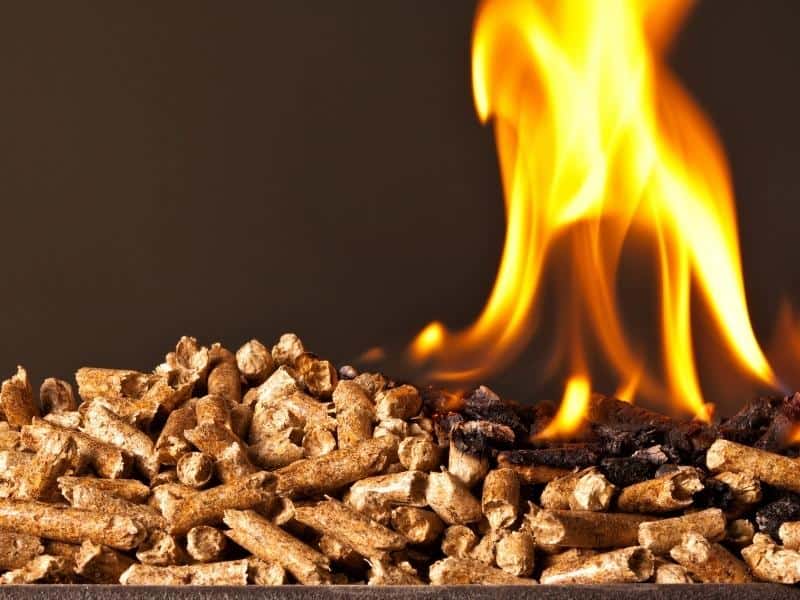
1. Biomass stores energy captured by living material
Plants use photosynthesis to convert solar energy into chemical energy. That energy remains in wood, crops and residues and can be released through combustion or converted into liquid and gaseous fuels.
Common feedstocks include forest and sawmill residues, agricultural crops and waste, biogenic material in municipal waste, food waste, animal manure and wastewater solids.
2. Biomass can become heat, power, gas or liquid fuel
Direct combustion produces heat and can raise steam for electricity generation. Pyrolysis and gasification use controlled heat to make bio-oil, char or combustible gas.
Fermentation produces fuels such as ethanol. Anaerobic digestion produces methane-rich biogas, which can supply heat or power or be upgraded to renewable natural gas.
3. Biomass is a major part of U.S. renewable energy use
The U.S. Energy Information Administration’s 2024 energy-flow data records about 5.0 quadrillion Btu of biomass consumption. That was roughly 58 percent of U.S. renewable energy consumption when biofuels, wood and waste biomass are combined.
Most biomass energy is not grid electricity. It is also used as transportation fuel, industrial process energy and building heat. That distinction matters when comparing biomass with wind or solar generation.
4. Renewable does not mean zero-emission
Burning biomass releases carbon dioxide, nitrogen oxides and air pollutants. Wood smoke can contain fine particulate matter and carbon monoxide. Modern controls can reduce emissions but do not eliminate them.
The climate result depends on how quickly the feedstock regrows, whether land use changes, what would have happened to the waste, and the emissions from harvesting, processing and transport. Treating every biomass pathway as automatically carbon neutral is misleading.
5. Waste feedstocks can provide an additional benefit
Using genuine residues or capturing landfill and digester gas can recover energy from material that already exists. In some cases, methane capture also prevents a potent greenhouse gas from escaping.
Waste is not impact-free. Contaminated material, poor combustion or methane leakage can undermine the benefit, so feedstock controls and emissions monitoring still matter.
6. Feedstock quality drives performance
Moisture content, particle size, ash, contamination and energy density affect storage, transport and conversion efficiency. Wet fuel provides less useful heat because energy is spent evaporating water.
Consistent pellets can work well in automated boilers, while variable agricultural residues may need different handling and combustion systems. A project should specify acceptable feedstock rather than rely on the word “biomass.”
7. Biomass works best when matched to local demand
Transporting bulky, low-density material over long distances can be expensive and energy-intensive. The strongest projects often pair a nearby, reliable feedstock with steady heat demand, combined heat and power, or an existing industrial process.
Bottom line: biomass can be useful renewable energy, especially when it recovers value from residues. Its performance must be assessed pathway by pathway, including sourcing, emissions and end use.
Sources: U.S. Energy Information Administration biomass overview, EIA 2024 renewable energy flow chart and EIA biomass environmental guidance.