
A biomass power plant turns organic material into electricity, usually by burning fuel to make steam or by converting it into a combustible gas. The technology can use residues and wastes that would otherwise be discarded, but it still produces emissions and only performs well when the feedstock supply is consistent.
The critical questions are not whether the fuel is labeled renewable, but where it comes from, what would have happened to it otherwise, how far it travels and how efficiently the plant uses its energy.
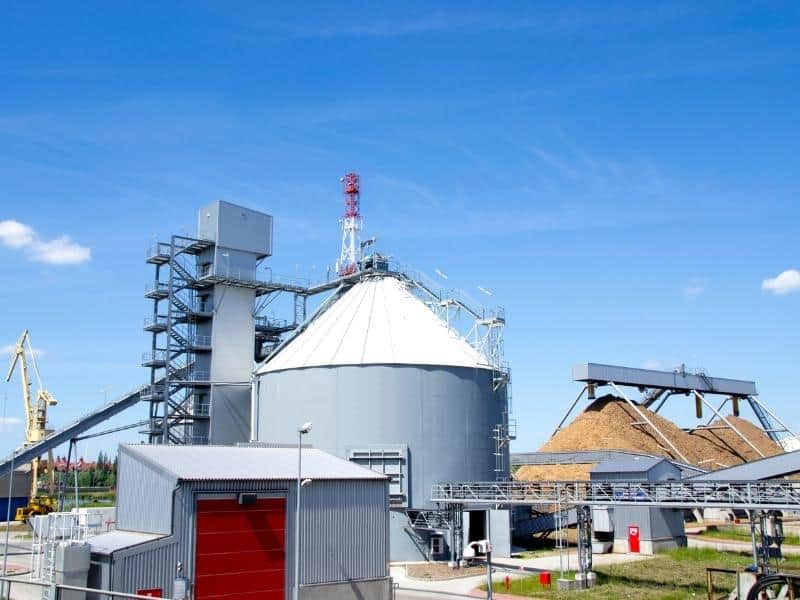
How Biomass Power Plants Generate Electricity
Direct combustion
Direct combustion is the most common route. Wood chips, agricultural residues or other prepared fuel is burned in a boiler. The heat makes steam, which drives a turbine-generator. Plants may also supply process steam or district heat.
Gasification
Gasification heats biomass with controlled oxygen or steam to create synthesis gas containing mainly carbon monoxide and hydrogen. After cleaning, the gas can fuel an engine, gas turbine or other energy system.
Pyrolysis
Pyrolysis heats biomass with little or no oxygen to produce bio-oil, combustible gas and char. Those products can be used as fuels or processed further, but the equipment and product cleanup add complexity.
Biogas and landfill gas
Anaerobic digestion and landfills produce methane-rich gas from decomposing organic matter. After moisture, sulfur compounds and other contaminants are managed, the gas can run an engine-generator or be upgraded to renewable natural gas.
Common Biomass Fuels
- forestry residues, sawdust, bark, chips and black liquor from pulp mills;
- crop residues, food-processing byproducts and some energy crops;
- manure, wastewater biosolids and source-separated food waste for digesters;
- landfill gas; and
- the biogenic portion of municipal solid waste.
Fuel specification matters. Moisture, particle size, ash chemistry, contamination and heating value affect storage, conveyors, boiler performance, emissions and operating cost.
A viable plant needs long-term supply contracts, quality testing, seasonal storage and contingency fuel. Transport distance and truck traffic can materially change project economics and community impact.
Efficiency and Combined Heat and Power
Electric-only steam plants reject substantial heat at the condenser. Combined heat and power can improve total fuel use by delivering steam or hot water to an industrial process, district system or nearby facility.
CHP only works when there is a dependable heat customer close enough to use the output. Evaluate electrical efficiency, useful thermal output and total system efficiency separately.
Parasitic loads also matter. Fuel drying, size reduction, conveyors, fans, pumps and emission controls consume part of the gross generation.
Emissions and Sustainability
Combustion releases carbon dioxide at the stack, along with pollutants that can include particulate matter, nitrogen oxides, carbon monoxide and organic compounds. Fuel chemistry can also create sulfur emissions or problematic ash.
Plants use cyclones, baghouses, electrostatic precipitators, catalytic systems and other controls as required by fuel and permit conditions. Ash must be tested and managed for its contaminants and potential beneficial use.
Biomass is not automatically carbon neutral. Climate impact depends on feedstock regrowth, land-use change, harvesting, processing, transport, displaced energy and the time required to reabsorb emitted carbon. Capturing methane from manure or landfills can provide a different emissions benefit because it prevents release of a potent greenhouse gas.
When a Biomass Plant Makes Sense
- A concentrated, low-cost residue or waste stream is available for the project life.
- Feedstock use does not create unacceptable land, forest or food-market impacts.
- There is a nearby heat customer or another way to use rejected heat.
- Grid interconnection, air permits, water, ash and truck movements are feasible.
- The plant can meet emissions limits across the full fuel range.
- Revenue assumptions do not depend on temporary credits or tipping fees without contracts.
- Fire protection, dust control and fuel-storage risks are engineered and staffed properly.
Bottom line: Biomass power is most compelling where it solves a real waste problem, minimizes transport and uses both electricity and heat. It is weakest when it relies on expensive fuel, low efficiency or an untested carbon claim.
References: U.S. EIA biomass overview and EIA biomass environmental guidance.