
Geothermal energy can mean two very different technologies: deep geothermal resources used for electricity or direct heat, and shallow ground-source heat pumps used to heat and cool buildings. Both use the earth, but their costs, risks and site requirements are not interchangeable.
Deep geothermal can provide steady low-carbon power where the resource and drilling economics work. Ground-source heat pumps are available far more widely, but the high installation cost and site-specific loop design decide whether they are a good building investment.
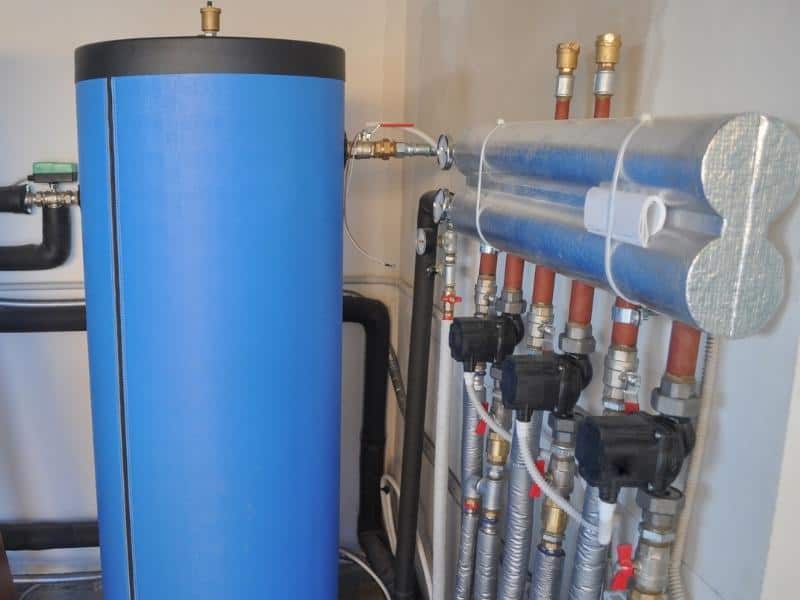
Advantages of Geothermal Energy
- Steady output: Geothermal power plants can produce electricity around the clock rather than only when the sun shines or wind blows.
- Low operational emissions: Lifecycle emissions are generally much lower than fossil-fuel generation, although plant type and reservoir gases matter.
- Small surface footprint: Geothermal facilities can deliver substantial energy from a relatively compact site.
- Heating as well as power: Suitable resources can serve district heating, industrial heat, agriculture and other direct uses.
- Efficient building HVAC: Ground-source heat pumps exchange heat with comparatively stable shallow ground temperatures in every U.S. climate.
- Long-lived ground loops: DOE estimates ground loops may last 50 years or more, while indoor heat-pump components have a shorter service life.
- Grid value: Dispatchable or steady geothermal generation can complement variable renewable resources.
The strongest benefit depends on the application. A geothermal power project is an electricity resource; a residential ground-source heat pump is an efficient electric load that replaces other heating and cooling equipment.
Disadvantages and Project Risks
- High upfront cost: Exploration, drilling and loop installation require significant capital before savings are known.
- Resource and geology risk: Deep projects may not find the temperature, permeability or fluid flow expected. Ground-loop cost varies with soil, rock, groundwater and site access.
- Location constraints: Conventional geothermal power needs suitable underground resources. Ground-source HVAC is more broadly usable but still needs land, drilling access or a viable water source.
- Induced seismicity: Moving fluid into or out of deep wells can trigger seismic activity. Monitoring and mitigation are important for enhanced geothermal systems.
- Water and fluid management: Projects must address withdrawals, consumption, brine chemistry, reinjection and potential contamination pathways.
- Corrosion and scaling: Geothermal fluids can damage equipment and reduce well or heat-exchanger performance.
- Specialist design: Poor sizing or drilling can erase expected savings and create reliability problems.
- Permitting and community impacts: Drilling, traffic, noise, land use and subsurface rights require early review.
Ground-Source Heat Pump Pros and Cons
For a home or commercial building, the main advantages are efficient heating and cooling, quiet outdoor operation and protection from extreme outdoor-air temperatures. Some systems can also assist with water heating.
The main drawbacks are ground-loop cost, disruption from excavation or drilling and the need for competent local design and service. Existing ductwork may also need sealing, resizing or replacement.
Compare modeled annual energy use, financing, maintenance and replacement timing with a high-quality air-source heat pump and other local alternatives. DOE notes that geothermal installation can cost several times as much as an air-source system of equal capacity.
For U.S. residential projects, the federal Residential Clean Energy Credit does not cover expenditures made after December 31, 2025. State, local or utility incentives may still be available.
How to Decide if Geothermal Is Worth It
- Define whether the goal is electricity, direct heat or building HVAC.
- Confirm the resource, site access, permits and environmental constraints.
- Use qualified professionals for load, reservoir or ground-loop modeling.
- Compare total installed cost and lifecycle energy cost with realistic local rates.
- Include pumping energy, auxiliary heat, maintenance and component replacement.
- Review warranties, performance guarantees and responsibility for underground work.
- For larger borefields, consider an in-situ thermal response test.
Bottom line: Geothermal offers reliable heat transfer and potentially low operational emissions, but drilling risk, capital cost and site design determine whether those benefits translate into a strong project.
References: DOE geothermal heat pumps, DOE geothermal environmental analysis and IRS Form 5695 instructions.