
Ordinary vinyl electrical tape is not a universal waterproof seal. A quality tape may resist moisture when applied correctly, but water can enter at overlaps, cut edges, stretched ends or damaged adhesive.
For wet, buried or exposed connections, use a listed connector, enclosure or complete splice system rated for that location. Electrical tape can be one layer of the assembly only when the product instructions allow it.
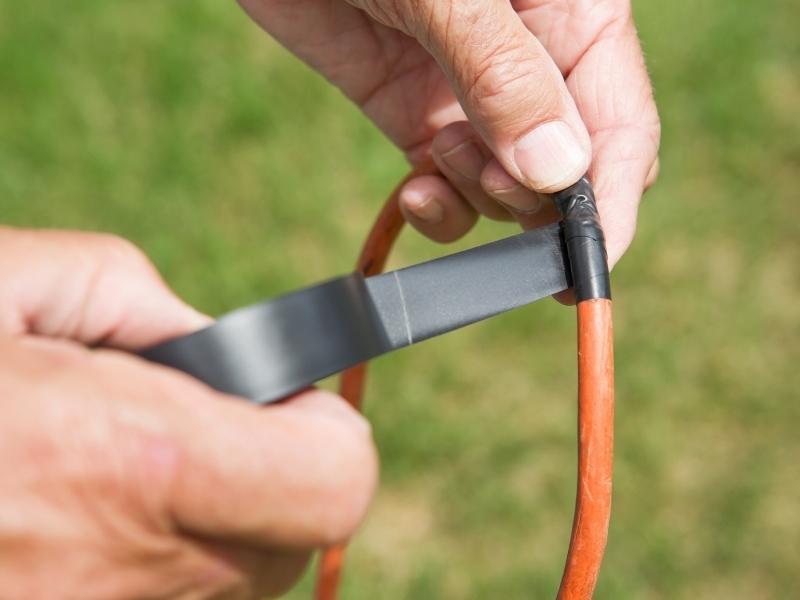
Water-Resistant Is Not the Same as Waterproof
Electrical tapes are sold with different backings, adhesives, voltage ratings and environmental approvals. Some professional vinyl tapes are rated as primary insulation for wet or dry locations, but that rating depends on the specified application and wrapping method.
A tape roll is not automatically suitable for continuous immersion, direct burial, outdoor UV exposure, engine compartments or repairing flexible cords. Check the manufacturer’s data sheet for:
- wet-location, weather and UV ratings;
- operating temperature;
- voltage and flame performance;
- compatible wire insulation and substrates;
- required overlap, stretch and number of layers; and
- whether another sealing or protective layer is required.
Do not rely on packaging words such as all-weather without reading the actual use limitations.
Where Electrical Tape Is Appropriate
Correctly rated tape can reinsulate an intact conductor splice, identify phases, bundle wires or provide an outer protective wrap as part of an approved method. The conductor must be deenergized, clean, dry and free from sharp points before wrapping.
Apply the tape with the overlap and tension specified by its manufacturer, then finish the last wrap without stretch so it is less likely to lift. More layers do not fix an unsuitable product or damaged conductor.
For cable splices, professional systems may combine rubber splicing tape, mastic, vinyl overwrap, heat shrink, cold shrink or a molded enclosure. Use all components and preparation steps in the kit instructions.
Where Tape Alone Is the Wrong Repair
- Damaged extension or appliance cords: Replace the cord or have it repaired with an approved part.
- Underground splices: Use a listed direct-burial splice kit and enclosure where required.
- Junctions exposed to rain: Use a weatherproof box, correct fittings and an in-use cover where applicable.
- Submerged wiring: Use equipment and connections specifically listed for submersion.
- Loose or overheating connections: Correct the terminal or splice. Tape does not reduce resistance.
- Open energized conductors: Deenergize and repair the circuit. Do not wrap live wiring.
Household duct tape, packing tape and general-purpose waterproof repair tape are not substitutes for listed electrical insulation.
Safe Wet-Location Repair Checklist
- Turn off and verify the circuit is deenergized.
- Identify why water reached the connection and correct the entry path.
- Replace corroded, overheated or mechanically damaged conductors and terminals.
- Select a connector or splice kit listed for the conductor type, voltage and location.
- Follow the strip length, torque, sealing and curing instructions exactly.
- Restore enclosure gaskets, fittings and covers.
- Have outdoor, buried, service or unfamiliar wiring inspected by a licensed electrician.
Bottom line: Some electrical tape is moisture-resistant and approved for specific wet-location uses, but tape alone is not a dependable waterproof repair.
Reference: 3M Scotch Super 88 electrical tape data sheet.