
A generator does not normally damage a battery when it powers the correct charger. Damage happens when voltage, charging profile, polarity or battery chemistry is wrong, or when an unregulated DC outlet is left connected after the battery is full.
The safest setup is usually generator AC output feeding a charger approved for that exact battery. Let the charger control voltage and current, and confirm the generator output is within the charger’s input range.
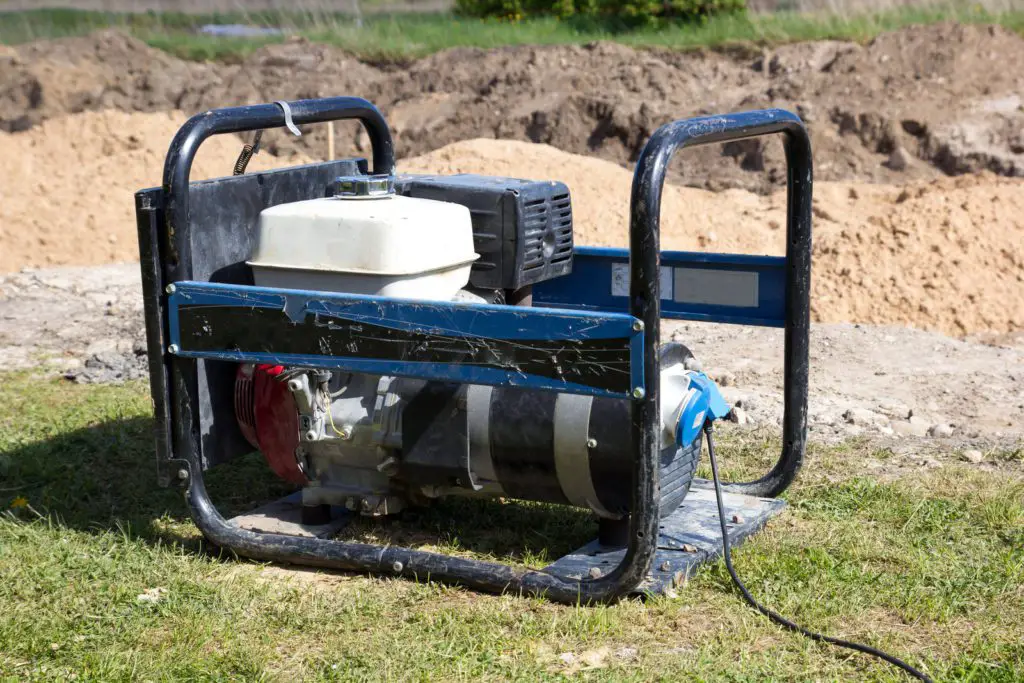
How a generator can damage a battery
- Overcharging: An unregulated source keeps supplying current after the battery is full.
- Wrong charge profile: Lead-acid, AGM, gel and lithium batteries require different limits and control logic.
- Reverse polarity: Incorrect positive and negative connections can damage the battery, charger or generator.
- Excess voltage or ripple: Faulty generator output may overheat or confuse a charger.
- Deep discharge: A generator starting battery left flat can sulfate and lose capacity.
- Heat: Charging an already hot battery accelerates wear and can create a safety risk.
Use the right charging method
Generator AC receptacle: Connect a quality multistage charger that supports the battery’s voltage, chemistry and capacity. This is generally preferable to a basic DC charging outlet.
Generator DC outlet: Use it only as the manual permits. Some portable-generator DC outputs are unregulated and intended only for 12-volt automotive batteries. Honda warns users to monitor battery voltage frequently to prevent overcharging on applicable models.
Lithium battery: Use a charger approved by the battery manufacturer and keep the battery-management system connected. Do not charge below the battery’s permitted temperature or bypass its protection.
What about phones and laptops?
The phone or laptop battery is charged by its power adapter, not directly by the generator. Use the original or a compatible quality adapter and keep generator voltage and frequency within its input specification.
A UPS or power station can bridge generator starts and refueling stops, but some UPS units reject generator power if voltage or frequency moves outside their acceptance range.
Protect the generator’s own starting battery
- Keep terminals clean and tight.
- Use the model’s specified maintainer during storage.
- Check state of charge at the interval in the manual.
- Investigate charger warnings instead of repeatedly jump-starting.
- Replace a swollen, leaking, frozen or damaged battery.
Honda notes that occasional short runs may not replace the charge used to start the engine and recommends an automatic maintainer when the generator is used infrequently.
Safe charging checklist
- Identify battery voltage, chemistry and capacity.
- Use an approved charger and correct polarity.
- Charge in the ventilation and temperature range specified.
- Protect connections from sparks, moisture and short circuits.
- Monitor temperature and state of charge.
- Stop if the battery swells, vents, leaks or becomes unusually hot.
Sources