
If you’re a survivor of family violence trying to set up electric service in Texas, you don’t have to pay a deposit to get the lights on. State rules created in 2001 give you a path to an electricity deposit waiver for family violence survivor Texas cases, removing one more financial hurdle when you need stability, not another bill.
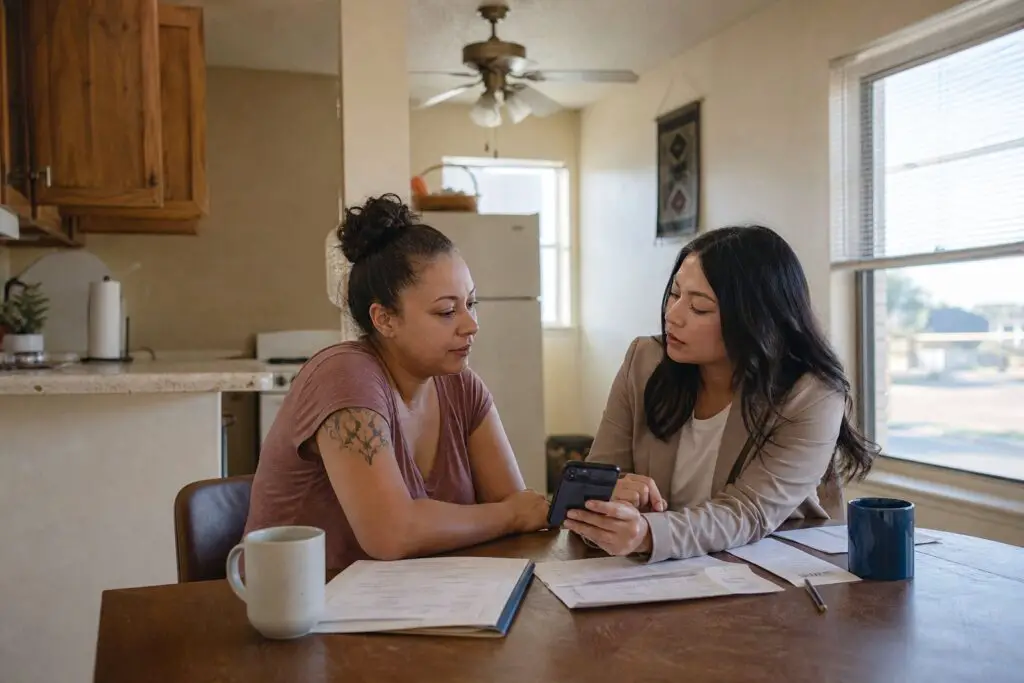
This waiver exists because the Texas Public Utility Commission recognized that survivors leaving dangerous situations often face upfront costs they simply can’t absorb, according to background on the deposit waiver rule created through the Commission’s rulemaking process. Getting certified and understanding what the waiver covers can make the difference between waiting weeks for power and getting service turned on right away.

Who Qualifies and What the Waiver Covers
Texas law lets survivors of family violence skip the standard electricity deposit when starting new utility service, as long as they meet the legal definition and provide proper certification. The waiver applies specifically to establishing new service, not to wiping out money already owed on an old account.
What Does Texas Family Code 71.004 Mean for Eligibility?
Texas Family Code 71.004 defines family violence as an act by a family or household member intended to cause physical harm, fear of harm, or sexual assault, along with threats that reasonably put someone in fear. This legal definition is the standard used to determine who qualifies as a victim of family violence for deposit waiver purposes.
You don’t need a criminal conviction against your abuser to qualify. What matters is documentation that fits this legal definition and confirmation from someone authorized to certify your situation.
Which Utility Deposits Can Be Waived?
The waiver covers both electric service and telephone service deposits, according to Public Utility Commission rules on paying your bill. Your electric service provider must waive the deposit once you submit a valid certification letter, since PUCT Substantive Rule 25.478 treats certified survivors as having demonstrated satisfactory credit for establishing service.
Some retail electric providers offer similar consideration to other vulnerable groups, including people 65 and older, as outlined by Stream’s deposit options and BKV Energy’s deposit waiver guide. Not every company handles the process the same way, so confirming your provider’s steps before enrollment can save you a headache.
Before you apply, it helps to compare electricity rates for your address, since plan pricing can vary even among providers that follow the same waiver rules.
How Is This Different From Help With Overdue Electricity Payments?
The deposit waiver removes only the upfront cost of starting new electric service. It doesn’t erase overdue electricity payments or an outstanding balance from a previous residence.
Separate assistance may be available for overdue bills. The Texas Crime Victims’ Compensation program can pay up to $3,800 for costs including utility deposits, moving expenses, and rent, according to the Texas Attorney General’s information for victims. That fund paid out $11.4 million across 3,489 family violence applications in fiscal year 2017, showing the scale of need this program addresses. Ask your certifying agency about this separate option if you’re also carrying unpaid energy costs from a prior address.
How to Get Certified and Submit Your Request
Getting your deposit waived starts with a certification letter signed by an approved professional who confirms your status as a victim of family violence. You’ll then submit the letter with your account details to your electric service provider, while taking care to protect your location and contact information.
Who Can Sign a Certification Letter for a Victim of Family Violence?
Several types of professionals can sign your certification letter, and any one of them is enough to meet the requirement. Approved certifying entities include family violence center personnel, treating medical personnel, law enforcement personnel, a Texas district attorney or county attorney, Office of the Attorney General staff, or a grantee of the Texas Equal Access to Justice Foundation.
Legal aid organizations can help survivors connect with a certifying entity if they’re not already working with a family violence center. Groups such as Legal Aid of Northwest Texas, Lone Star Legal Aid, and the Texas Advocacy Project provide free assistance with the process, as described in survivor resources from the Texas Council on Family Violence.
A protective order isn’t required to get the waiver, but if you already have one, it can support your certification request. The Texas Council on Family Violence’s certification form is the standard document most providers accept, and it refers directly to Texas Family Code 71.004.
What to Include With Your Request to the Electric Provider
Your request needs the signed certification letter and basic account information before it can move forward. Most electric service providers ask for:
- Your name and current contact information
- Your account number, if you already have one on file
- The signed certification letter for victim of family violence
- Your Social Security number for identity verification, in some cases
Some companies accept an esign submission, which can be quicker than mailing a physical letter of credit or paper form. If you’re switching providers instead of starting service from scratch, ask whether your payment history matters. A clean record with no late payments or outstanding balances may also support a standard deposit waiver separate from the family violence certification, as noted in Ambit Energy’s deposit waiver FAQ.
This waiver can stack with other qualifying categories, too. Customers 65 years of age or older or those who are medically indigent may qualify under separate provisions, so mention any circumstance that applies to you.
Once your documentation is ready, take a moment to check current electricity plans so you don’t end up locked into a rate that creates more financial stress later.
Protect Your Safety and Privacy During Enrollment
Keeping your new address and contact information confidential during enrollment is critical if your abuser might try to find you through utility records. Ask your electric service provider about its privacy protections for family violence survivors before submitting paperwork.
Don’t list a shared phone number or email account connected to your abuser. Use a new number or a trusted advocate’s contact information instead, and confirm that the provider won’t place your address in any public-facing directory.
If you’re working with a family violence center, ask an advocate to review your submission before it goes to the utility company. That extra step can catch details that might accidentally reveal your location, while also making sure your paperwork is complete before you send it.
Conclusion
Setting up electric service after leaving an abusive situation doesn’t have to come with an upfront deposit. Texas Family Code 71.004 and PUCT Rule 25.478 give certified survivors a clear way to waive that cost entirely, covering both electric and telephone service.
The process boils down to two steps: get a certification letter signed by an approved professional, then submit it with your basic account information to your provider. Once that’s handled, take a moment to compare providers and plan prices so your new service fits your budget from day one.