
There is no universal generator-to-gas-meter distance that is safe or legal everywhere. The required location comes from the generator’s installation manual, the gas utility’s service rules, adopted fuel-gas and electrical codes and the local authority having jurisdiction.
For a standby generator, have the installer and gas utility approve the site before pouring a pad or running pipe. The final layout must preserve meter access, generator airflow and service space while keeping exhaust away from building openings.
Why One Clearance Number Is Misleading
A gas meter is only one feature in the site plan. The installer must also consider the service regulator and vent, electric meter, windows, doors, soffits, dryer vents, combustion-air openings, ignition sources, property lines, vegetation, overhead structures and flood exposure.
Gas utilities use different meter-set designs and working-clearance rules. Generator manufacturers use different enclosure, intake and exhaust layouts. Local jurisdictions may adopt different editions of NFPA 37, NFPA 54, NFPA 58, NFPA 70 and the International Fuel Gas Code.
A distance quoted for a window or combustible wall is not automatically the required distance from a meter or regulator vent.
Standby Generator Site-Selection Process
- Identify the exact generator model, fuel type and current installation manual.
- Ask the gas utility for its meter, regulator-vent and service-access clearances.
- Mark every building opening and potential carbon-monoxide entry point.
- Apply the generator’s front, rear, side and overhead clearances.
- Confirm fire-code setbacks from combustible walls, openings and property features.
- Allow technicians and first responders to reach the meter shutoff and generator panels.
- Size the fuel pipe for full-load demand, developed length and fittings.
- Obtain permits and written approval before construction.
Generac notes that standby units are often placed near the fuel source because shorter pipe can reduce cost. That does not override utility or code clearances.
Generator Clearances Are Model-Specific
As an example, some Generac air-cooled installation guidance uses at least 18 inches at the rear, 3 feet at the front and ends, and 5 feet overhead. Requirements for doors, windows, vents and wall openings depend on the current manual and locally adopted code.
Do not apply those example dimensions to another brand or model. Exhaust direction, enclosure testing and service access can change the required layout. A location that meets fire clearance can still allow carbon monoxide to enter the building because of wind or nearby openings.
Gas Meter Access and Fuel Supply
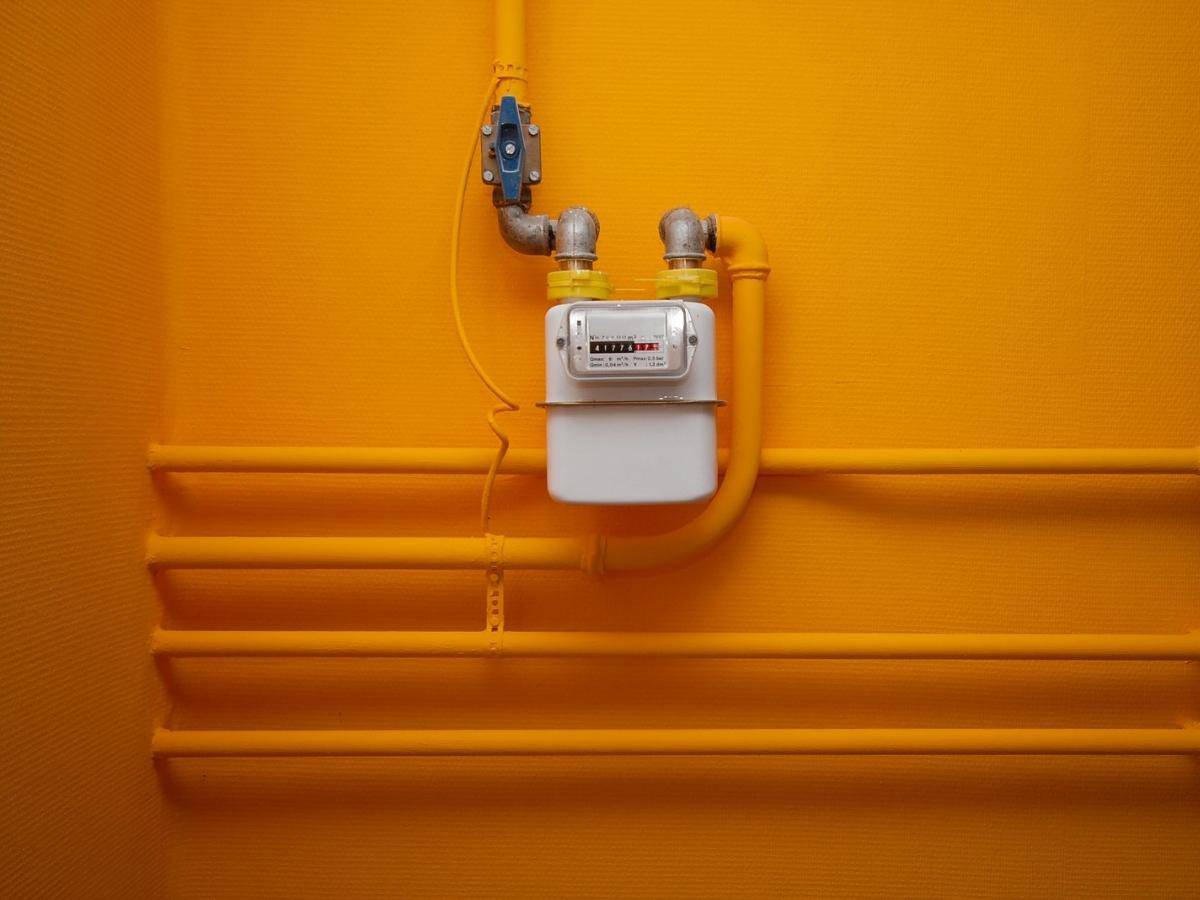
The generator, pad, fence and landscaping must not block the utility’s ability to read, inspect, service or shut off the meter. Keep the regulator vent in an approved location and do not place generator exhaust where it can heat, contaminate or obstruct the meter assembly.
The existing meter may need more capacity. The fuel designer must add the generator’s full-load demand to other gas appliances, verify delivery pressure and size the pipe for its length and fittings. A short distance does not make an undersized meter or pipe acceptable.
Fuel piping must be installed, pressure-tested and purged by qualified personnel under local rules. Do not tee into a meter outlet or move a regulator without gas-utility approval.
Portable Generators Are Different
Do not treat a portable generator like a standby unit. A portable gasoline or propane generator should operate outdoors at least 20 feet from the home, with exhaust directed away from doors, windows, vents and other buildings.
Connecting a portable generator to a natural-gas service requires a generator designed for that fuel, approved hose and shutoff equipment, correct pressure and a compliant installation. Do not improvise a connection at the meter.
Questions for the Installer and Gas Utility
- Which exact manual and code editions control this installation?
- What clearance is required from the meter body, regulator vent and service shutoff?
- Can the utility replace or upgrade the meter in this location?
- Where are the nearest windows, doors, vents and combustion-air openings?
- What are the generator’s rear, side, front and overhead clearances?
- Does the meter have enough pressure and capacity for full generator load?
- Who will perform the permit, gas test, electrical inspection and commissioning?
The correct answer is an approved site drawing, not a generic number. Keep that drawing with the generator records so landscaping and future construction do not remove required clearances.
Sources: Generac standby-generator site-selection guidance; Generac home standby placement FAQ; Generac air-cooled generator clearance guidance; NFPA 54, National Fuel Gas Code.