
A power surge lasts only a fraction of a second, but it can damage every electronic device connected to the affected circuit.
The practical defense is layered protection: a listed surge protective device at the electrical service, point-of-use protection for sensitive equipment and proper protection for data and coaxial lines.
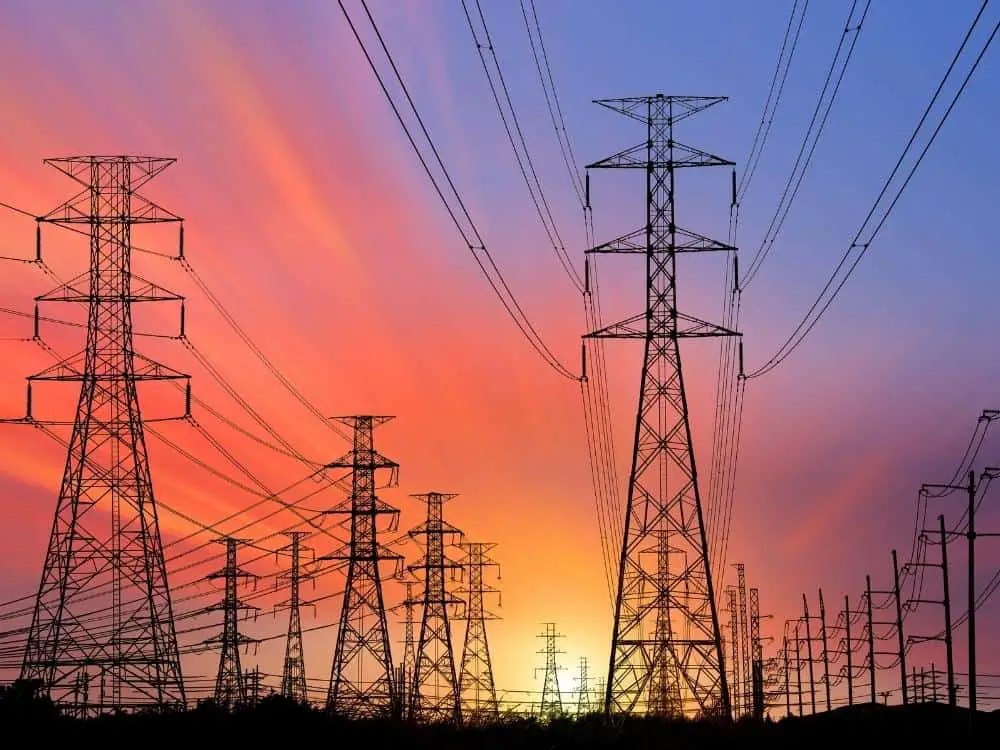
What is a power surge?
A surge is a brief rise in voltage above the normal supply. It is also called a transient overvoltage. It differs from a sustained overvoltage, voltage sag, brownout or outage.
Large surges can puncture insulation or destroy power supplies immediately. Smaller repeated transients can stress components over time, although equipment failure is not always visible.
What causes power surges?
- Lightning: A direct or nearby strike can induce very large transients in power, telephone, cable and antenna wiring.
- Utility switching: Grid faults, capacitor switching and service restoration can create voltage transients.
- Motors and compressors: Air conditioners, pumps, refrigerators and shop equipment can generate smaller switching transients inside a property.
- Generators and transfer events: Unstable voltage, poor switching or wiring faults can expose equipment to abnormal power.
- Loose or failed connections: A neutral fault can create a sustained and dangerous voltage imbalance that ordinary surge protection may not solve.
If some lights become unusually bright while others dim, treat it as a possible neutral or supply fault and contact the utility or an electrician immediately.
How surge protection works
A surge protective device, or SPD, diverts transient current away from protected circuits and limits the voltage reaching equipment. It does not absorb unlimited energy, correct low voltage or provide backup power.
In North America, choose a device listed to UL 1449 for its intended installation:
- Type 1: Suitable for installation on the line or load side of the service disconnect when its listing permits.
- Type 2: Installed on the load side, commonly at a service or distribution panel.
- Type 3: Point-of-use devices such as listed plug-in surge protectors and protected receptacles.
Types identify installation location, not simply quality. The circuit voltage, system configuration, short-circuit current rating, maximum continuous operating voltage and voltage protection rating must all suit the installation.
Use layered protection
A service-level SPD handles much larger incoming transients and protects hardwired loads. Point-of-use protection adds a second layer close to computers, televisions and other sensitive equipment.
Power protection alone is incomplete if a device also connects to Ethernet, telephone, cable, satellite or an outdoor antenna. Those paths need compatible protectors and correct grounding and bonding so current is not routed through the equipment.
A direct lightning strike can exceed ordinary SPD capability. Buildings with significant lightning exposure may need a professionally designed lightning-protection system as well as surge protection.
What the electrical code requires
The 2023 National Electrical Code, Section 230.67, requires a listed SPD for services supplying dwelling units and several other sleeping occupancies. The device must be at or immediately adjacent to the service equipment unless the stated downstream exception is used.
Electrical-code editions are adopted locally and may be amended. An electrician and the authority having jurisdiction should confirm the rule for new work, service replacement or a specific property.
What a breaker, GFCI and UPS will not do
A standard circuit breaker protects wiring against sustained overcurrent. It is too slow to act as a surge protector. A GFCI responds to current leaking from the intended circuit, while an AFCI detects hazardous arcing patterns.
A UPS provides short-term battery power and may include surge protection, but the surge rating varies. It does not replace a service-level SPD, and a basic standby UPS may not correct every power-quality problem.
How to choose and maintain protection
- Use listed equipment from a traceable manufacturer.
- Match voltage, phase and wiring configuration.
- Ask the electrician to keep SPD leads short and direct, as installation affects protection.
- Check the voltage protection rating and nominal discharge-current rating.
- Confirm protection for line-to-neutral, line-to-ground and other required modes.
- Inspect the status indicator regularly and after a major event.
- Replace plug-in devices when the protection indicator fails or the manufacturer’s end-of-life condition is reached.
Do not install a panel-mounted SPD yourself unless you are qualified. Electrical panels can contain lethal voltage even when some breakers are off.
What to do after a suspected surge
If there is smoke, fire, arcing or a burning smell, move to safety and call emergency services. If it is safe, stop using affected equipment and disconnect it.
Check the service SPD and point-of-use indicators without opening electrical equipment. Document damaged devices, the time of the event and utility conditions for an electrician, insurer or utility claim.
Have an electrician inspect repeated incidents, bright-and-dim lighting, damaged receptacles, tripped protective devices or multiple failed appliances. Some electronic equipment can be repaired, but do not re-energize anything with heat, odor or visible damage.
Bottom line: power surges are real, brief and not stopped by ordinary breakers. A properly installed service SPD, point-of-use devices and coordinated protection for communication lines provide the most useful defense.
Sources: National Institute of Standards and Technology surge guide, UL Solutions SPD certification guidance and NFPA National Electrical Code material on Section 230.67.