
A generator converts another form of energy into electricity. Engine-driven units provide backup or remote power, while utility generators use turbines driven by steam, combustion gas, water or wind.
The right generator depends on the load, duty cycle, fuel supply, voltage, installation and consequences of failure. A unit sized for a short outage may be unsuitable for continuous power.
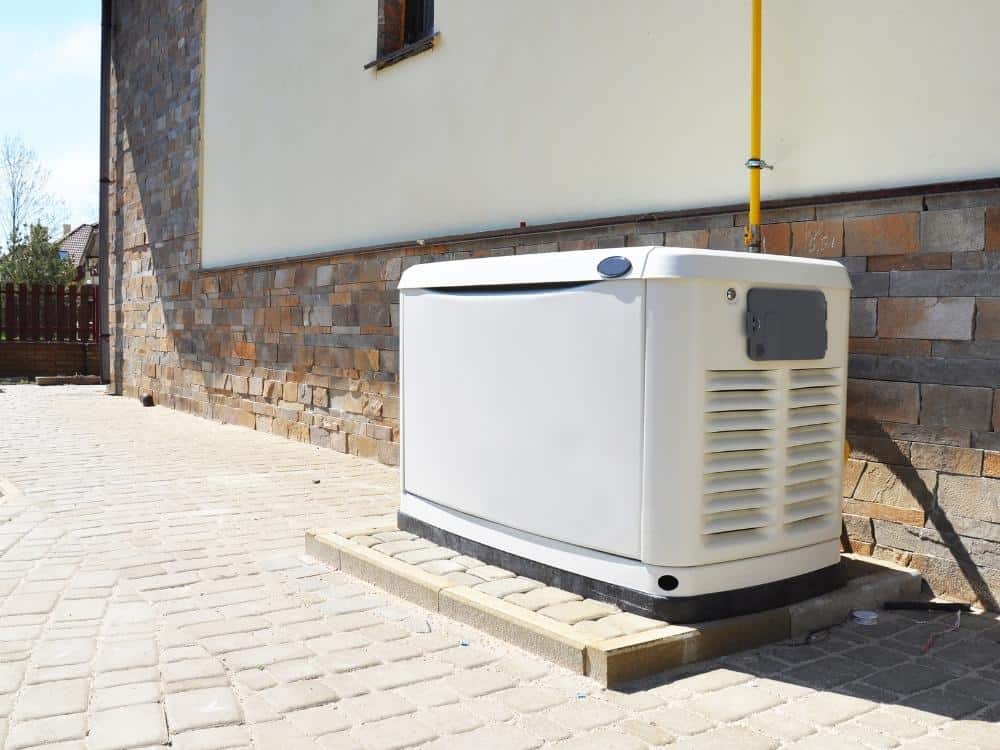
Common generator uses
- Home backup: Refrigeration, lighting, pumps, heating controls, medical equipment and selected appliances during outages.
- Commercial standby: Life-safety systems, data, refrigeration, communications and business continuity.
- Construction and events: Tools, lighting, temporary buildings, sound systems and mobile services.
- Remote prime power: Mines, farms, telecom sites, islands and off-grid facilities without dependable utility service.
- Utility generation: Large turbines and engines supplying the grid, peak demand or emergency support.
- Combined heat and power: Electricity plus useful process or building heat from the same fuel input.
How an electric generator works
Most generators use electromagnetic induction. A prime mover rotates the generator’s rotor relative to stator windings, creating electric current. The prime mover may be an engine, steam turbine, gas turbine, hydro turbine or wind turbine.
Solar photovoltaic panels are different: semiconductor cells convert sunlight directly into electricity without a rotating electromagnetic generator.
Main generator types
- Portable: Manually positioned and started, normally supplying cords or approved transfer equipment.
- Inverter: Engine-driven power converted electronically for tighter output control and variable engine speed.
- Home standby: Permanently installed with an automatic transfer switch and fixed fuel supply.
- Mobile industrial: Trailer-mounted equipment for rental, construction and temporary prime power.
- Stationary commercial or utility: Engine or turbine sets engineered for specified standby, prime or continuous duty.
How to choose a generator
- List running loads and the largest motor starting demand.
- Confirm voltage, phase, frequency and power factor.
- Choose standby, prime or continuous duty for the actual use.
- Check fuel availability, consumption and storage.
- Plan transfer equipment, grounding, neutral treatment and distribution.
- Account for noise, emissions, weather, clearance and maintenance access.
- Include load management and future demand where useful.
Do not size a home generator from square footage alone. An all-electric house can need far more power than a larger home with gas heating and cooking.
Generator safety basics
Operate portable generators outdoors at least 20 feet from the home with exhaust directed away from openings. Use working carbon monoxide alarms, keep the generator dry and refuel only after shutdown and cooling.
Never connect a generator to a wall outlet. A transfer switch or other approved transfer equipment must prevent dangerous backfeeding into utility lines.
Match the generator to the job
| Use | Practical choice |
|---|---|
| Essential home circuits during outages | Portable generator sized for the selected loads and connected through approved transfer equipment. |
| Automatic home backup | Permanently installed standby generator with an automatic transfer switch and correctly sized fuel supply. |
| RV or camping | Quiet inverter generator sized for air-conditioner startup, campground limits and the RV connection. |
| Construction site | Jobsite-rated portable or towable unit with the required receptacles, GFCI protection and duty rating. |
| Continuous off-grid or industrial power | Prime or continuous-rated generator designed for the expected load profile and service schedule. |
A standby rating is intended for emergency use and should not be treated as an unlimited continuous rating. Compare the duty classification, continuous output, starting capability, fuel availability, noise and maintenance access before choosing a unit.
Sources