
Yes, nearly every engine-driven generator has at least an air filter, but not every model has a replaceable oil or fuel filter. Small portable units commonly use an air filter and fuel screen, while larger standby sets often add a spin-on oil filter and more serviceable fuel components.
Do not buy filters by wattage or engine size alone. Match every part to the generator’s model and serial number, then follow the maintenance schedule in its owner’s manual.
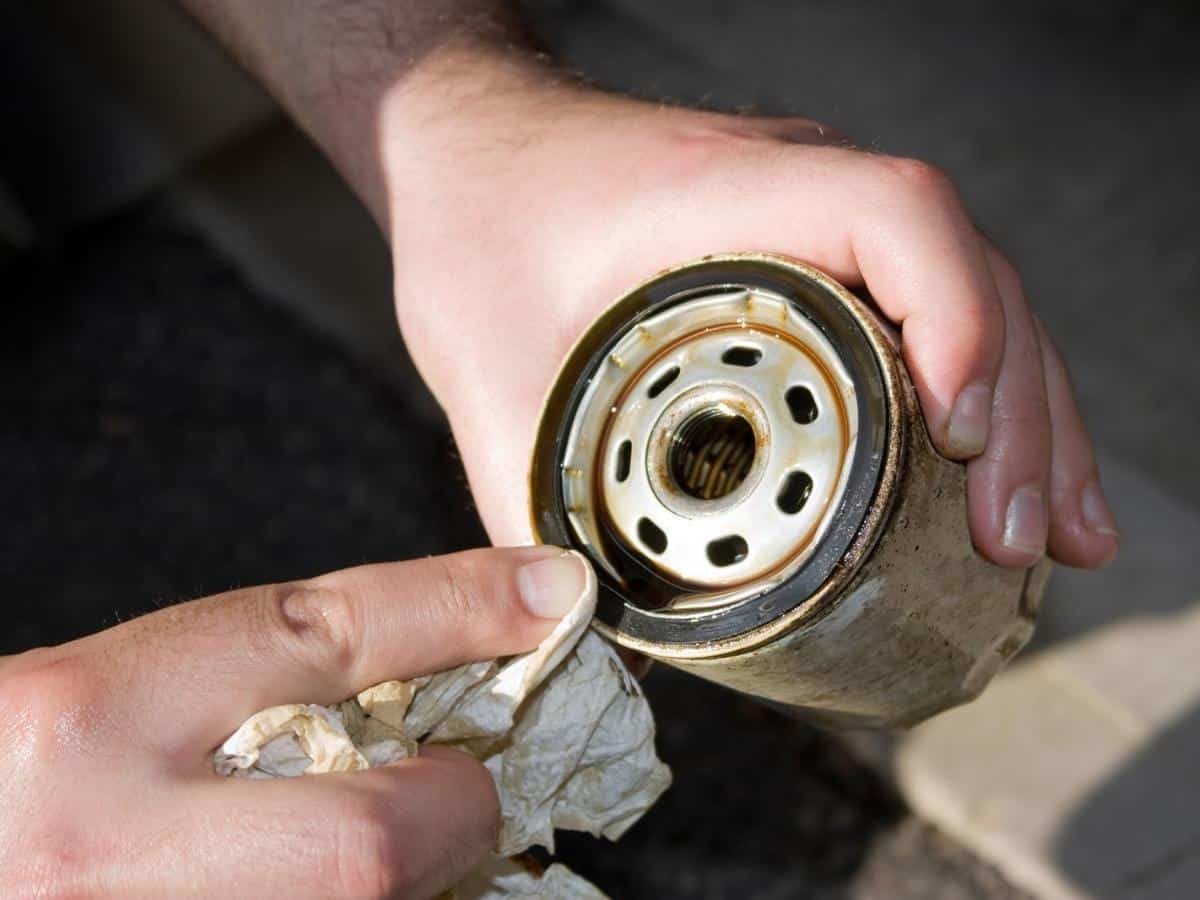
Which filters does a generator have?
- Air filter: Protects the engine from dust and debris. Gasoline, propane and natural-gas engines normally have one.
- Oil filter: Removes contaminants from pressurized engine oil. Many standby generators have a replaceable filter, but many small splash-lubricated portable engines do not.
- Fuel filter or screen: Captures debris before it reaches the carburetor or fuel system. The part may be in the tank, fuel valve, fuel line or an external housing.
- Coolant filter: Found only on some larger liquid-cooled diesel or commercial generator sets.
An inverter generator still uses an internal-combustion engine, so it has the same basic filtration needs as a conventional portable generator.
Portable and standby generators differ
Most portable generators have a serviceable air filter. They may have a fuel screen, but a replaceable oil filter is less common. Oil is usually drained and replaced at the interval specified in the manual.
Home standby generators more often use automotive-style oil filters, replaceable air filters and model-specific fuel-system components. Diesel sets may also have primary and secondary fuel filters with water separation.
When should generator filters be serviced?
Use the earlier of the calendar interval or operating-hour interval in the manual. Service the air filter more often in dusty conditions, and shorten oil-service intervals during extended outages if the manufacturer requires it.
Generac, for example, advises routine air-filter inspection and notes that rough running, black exhaust smoke and increased fuel use can indicate a dirty filter. Its current standby guidance also requires oil-level checks during prolonged operation.
Signs a filter needs attention
- Hard starting, surging or rough running
- Black smoke or unusually high fuel consumption
- Reduced output when a load is applied
- Visible dirt, oil saturation, tears or damaged seals
- Low oil pressure or a maintenance alert on a standby unit
These symptoms can also indicate carburetor, ignition, fuel-pressure or engine problems. Do not assume a new filter is the complete repair.
Safe filter maintenance
- Shut the generator down, disconnect loads and allow it to cool.
- Prevent automatic standby units from starting before opening the enclosure.
- Use the exact replacement part and specified oil.
- Clean the filter housing without pushing debris into the intake.
- Check for fuel or oil leaks after service.
- Record the date and hour-meter reading.
Do not run an engine without its air filter, and do not improvise a fuel filter that changes required flow or pressure.
Bottom line
Generators have different filter arrangements, but all need model-specific maintenance. Start with the owner’s manual, identify the fitted air, oil and fuel components, and service them on schedule rather than waiting for poor performance.
Sources