
A generator’s age is less useful than its operating hours and maintenance record. Two units bought on the same day can have radically different remaining life if one runs lightly and the other spends long outages near full load.
There is no honest universal lifespan for every generator. Judge a unit by its hours, load history, oil control, output quality, corrosion, service records and parts support, then compare the next major repair with replacement cost.
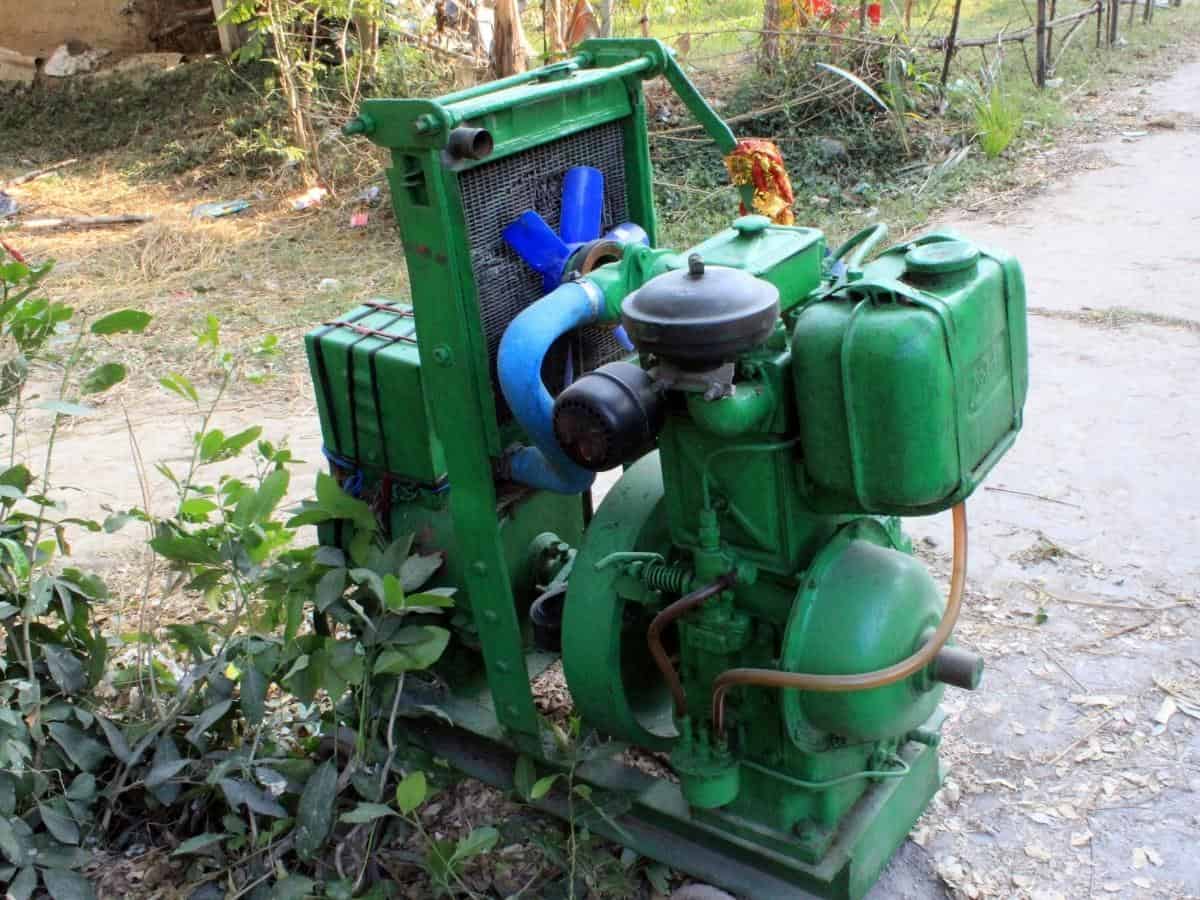
How to estimate a generator’s remaining life
- Read the hour meter. Calendar age alone hides how much work the engine has done.
- Review service records. Confirm oil, filters, spark plugs, valve checks, batteries and cooling-system work were completed on schedule.
- Test it under load. Check that voltage and frequency remain stable without surging, smoke or repeated shutdowns.
- Inspect engine condition. Rising oil use, low compression, blow-by, hard starting and metal in the oil point to wear.
- Inspect the alternator and enclosure. Look for overheated wiring, bearing noise, moisture damage and corrosion.
A qualified technician can add compression, leak-down, insulation-resistance and fuel-pressure tests when the purchase or repair decision justifies them.
Portable, inverter and standby generators
Portable generators often accumulate hours in concentrated outage periods. Storage fuel, infrequent oil changes, overload and dusty operation can matter more than age.
Inverter generators can reduce engine speed at light loads, but they still need the model’s specified oil, air-filter and storage maintenance. Expensive inverter electronics can change the repair calculation.
Home standby generators may remain installed for many years because weekly exercise adds relatively few hours. Battery condition, corrosion, fuel supply, controller support and professional servicing become important as the unit ages.
Commercial diesel sets are designed for different duty ratings. Prime, continuous and standby ratings are not interchangeable, so use the manufacturer’s rating and service schedule when projecting life.
What shortens generator life?
- Running above the continuous rating or with poor load balance
- Low oil, wrong oil or missed filter changes
- Blocked cooling air, high ambient heat or accumulated debris
- Old gasoline, contaminated diesel or incorrect gas pressure
- Long storage without the manufacturer’s preservation steps
- Moisture, salt exposure, pests and enclosure corrosion
- Repeated short runs that never bring the engine to normal operating condition
When should you repair or replace it?
Repair usually makes sense when the engine and alternator are healthy, parts remain available and the fault is isolated. Replacement becomes more attractive when failures repeat, output is unstable, major engine or alternator work is required, the unit is undersized, or critical controls are obsolete.
For standby power supporting medical equipment, pumps or a business, include outage risk and repair lead time in the decision. A generator that starts today is not necessarily reliable enough for the next outage.
How to make a generator last longer
- Follow the exact hour and calendar schedule in the owner’s manual.
- Check oil during extended operation at the interval the manufacturer specifies.
- Keep cooling inlets and exhaust clear.
- Use fresh, approved fuel and the correct stabilizing or storage procedure.
- Exercise and load-test standby equipment as specified.
- Record hours, faults, fuel use and service work.
Good records turn “How long will it last?” from a guess into a defensible maintenance and replacement decision.
Sources